Although COVID-19 vaccinations are starting to make a difference and travel is resuming is fair to say that we are still far from where we were in 2019 and it may take some time to get back there.
This means our diving travel destinations have been changing and there is much more local diving than before. Big countries like the US have a lot of diving and Caribbean destination on their doorstep those travellers have still quite a lot to choose in comparison to others.
For Europeans, in the geographical sense, there are options for short haul travel. Those do not compare to your macro trip to South East Asia or pelagic trips to South America or Maldives or similar, however you can get some pretty good shots.
In 2020 I had my first experience in Massa Lubrense and this year I was back there.
I wrote about it last year if you are looking for more details on the logistics so in this post I will focus on photography.
Getting back into RIB diving
After 1 year of forced stop from boat diving getting back into a RIB diving with 15 liters steel tanks was a bit of a shock, certainly better than shore diving but yet not exactly streamlines especially as I decided to get a semi-dry suit. Due to stock shortages in UK I was only able to fit into a Scubapro Nova Scotia 7.5mm that has a lot of buoyancy. The suit was definitely toasty but required a lot of weight to go down as it was brand new. Temperatures range from 26 degrees at the surface to 17 at depth in certain sites so after a chilling experience last year this time I was definitely ok.
I did 2 sets of 3 days diving clocking a total of 16 dives. The dives were all close to 60 minutes (time to get back on the RIB by procedure) and depth of 33 meters. I have to say I avoid decompression dives but really this destination does require you to dive deeper than what you expect in tropical destinations.
Camera Equipment
I had the new Panasonic GH5 Mark II that fits in the housing of the Mark I and two Sea and Sea YS-D2 strobes. I took only two lenses the Canon 8-15mm fisheye with metabones smart adapter and the new (for me) Panasonic 45mm 2.8 macro.
The zoom fisheye rig looked exactly like the one in the site menu.
Wide Angle
The visibility can be an issue on the Italian coast however you can mitigate the issue with good technique and photoshop. Interestingly water is always clearer at depth where of course you lack light so strobe power is important to get a good shot.
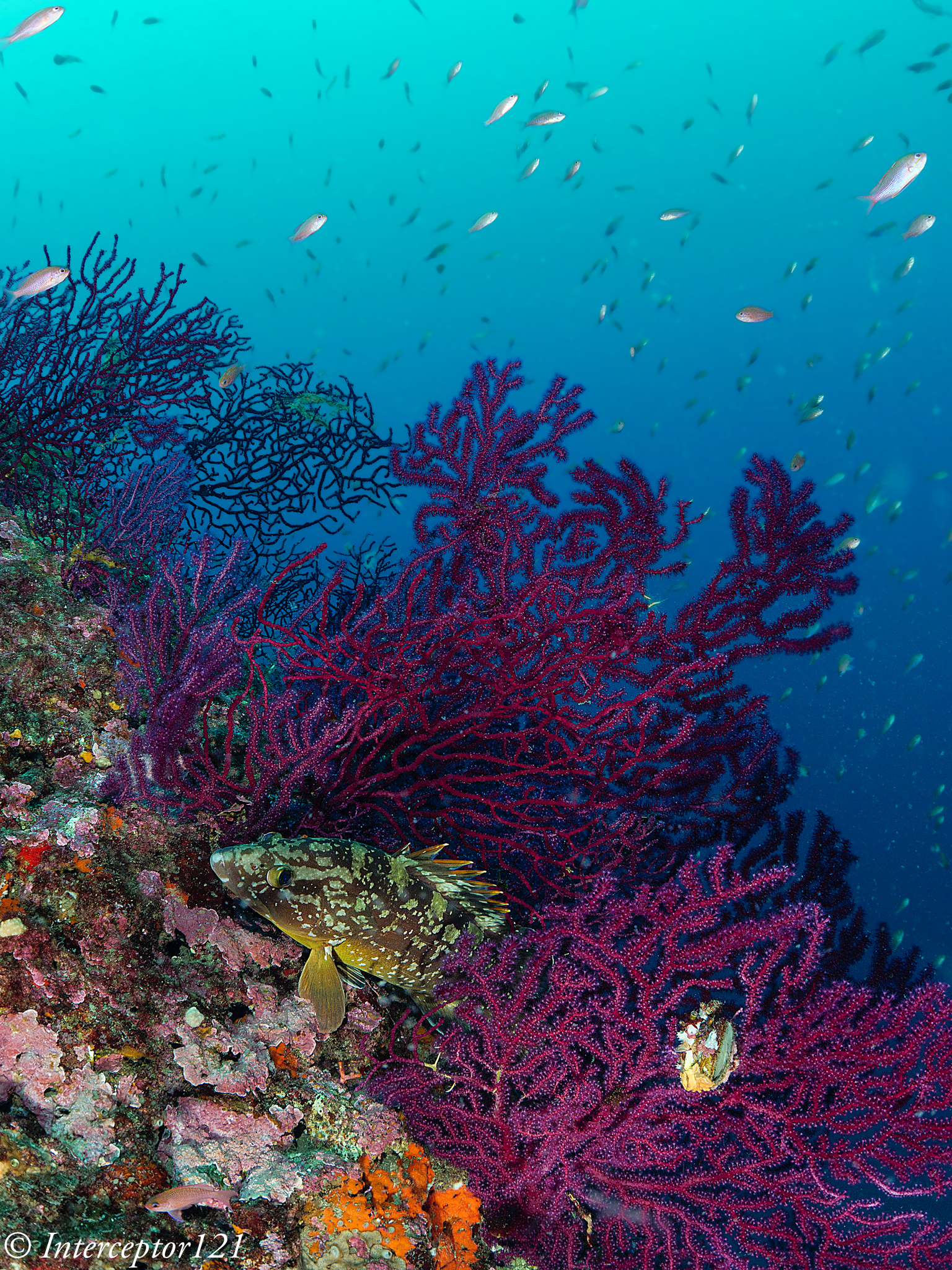
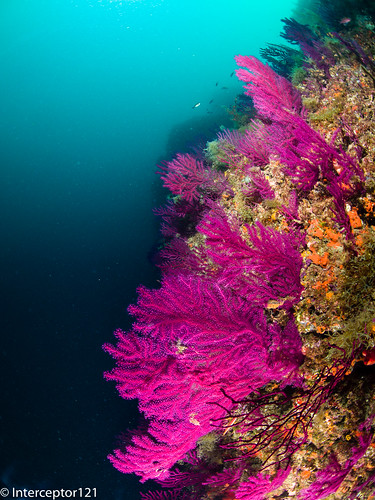
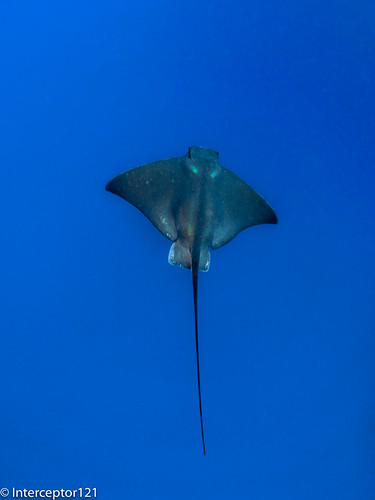
Banco di Santa Croce is the best spot to meet large grouper and has many sea fans and also macro life, eagle rays and other things to be found.
Grouper resting between red gorgoniansTwo groupers chasing
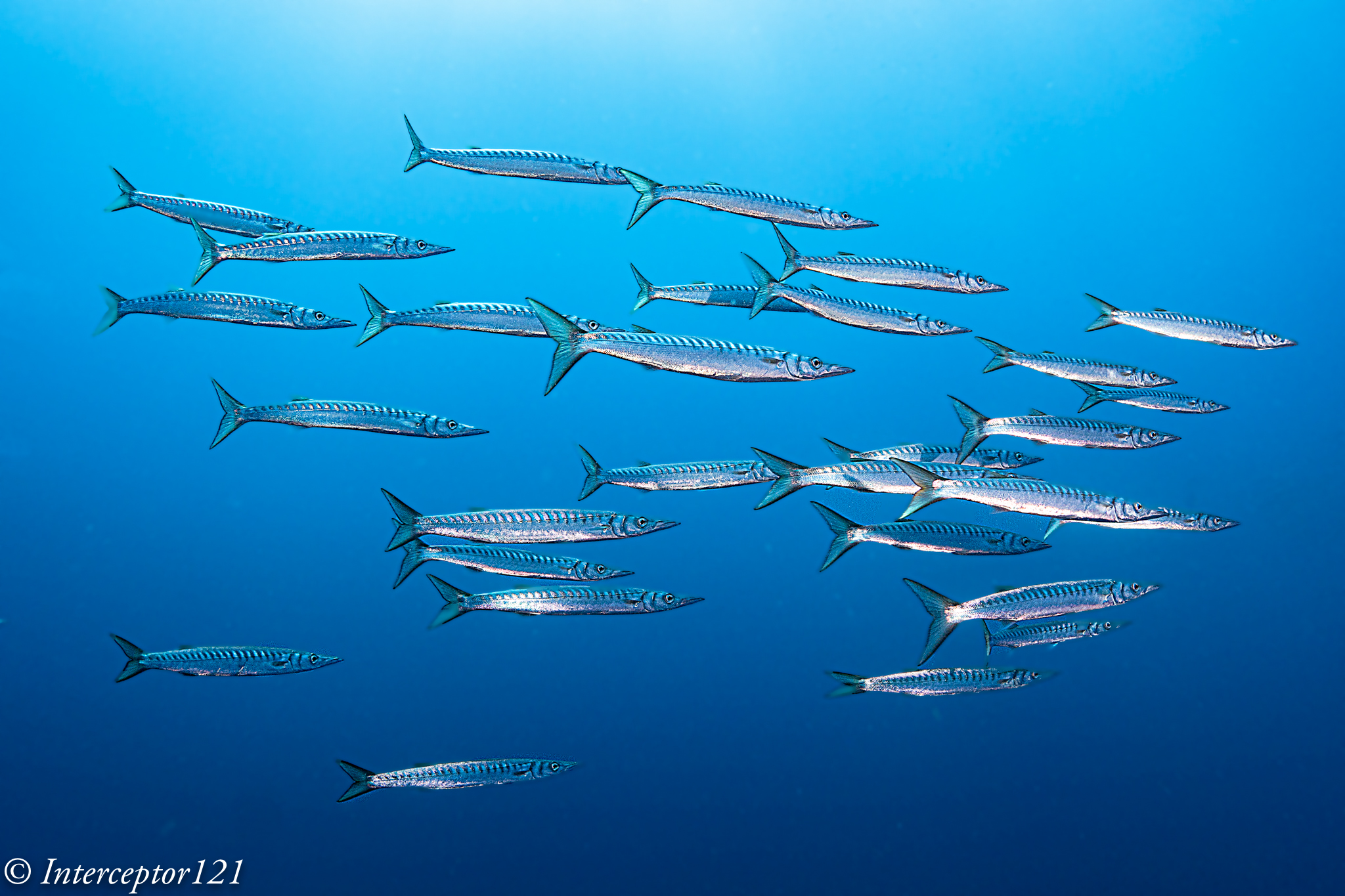
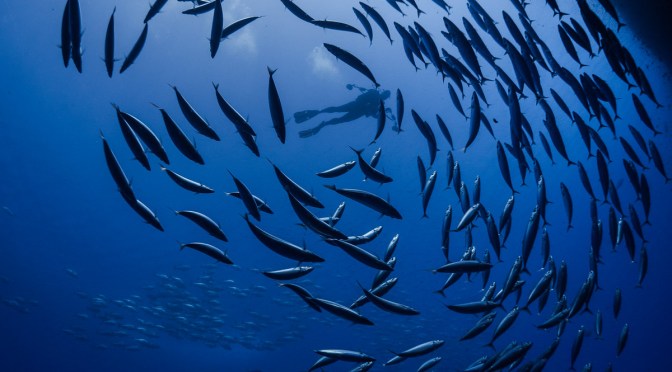
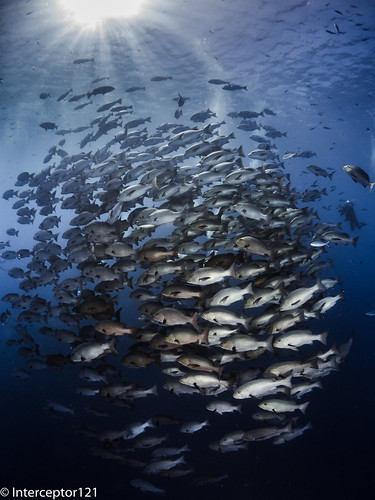
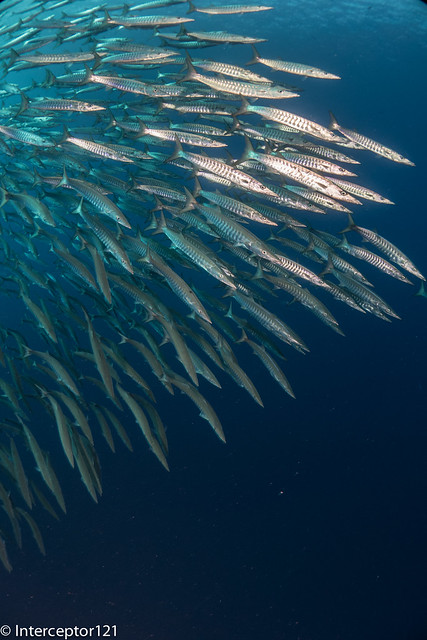
I find also very interesting the schooling fish even if this is usually not well behaved Barracuda who never spin around or a variety of sea bream
Barracudas at Scoglio PennaSaraghi (breams) at Scoglio Penna
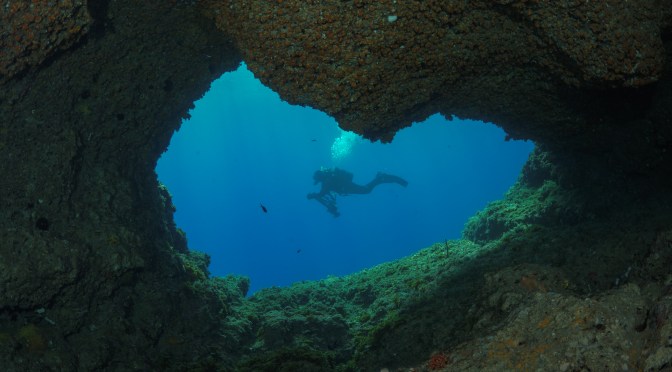
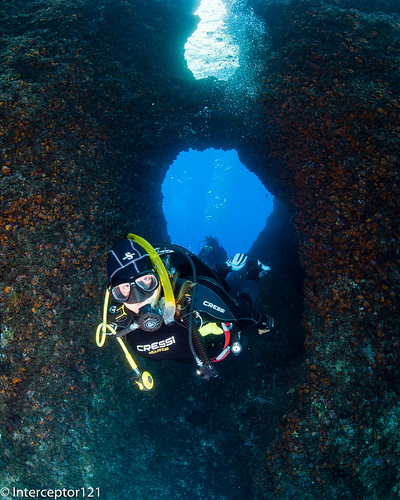
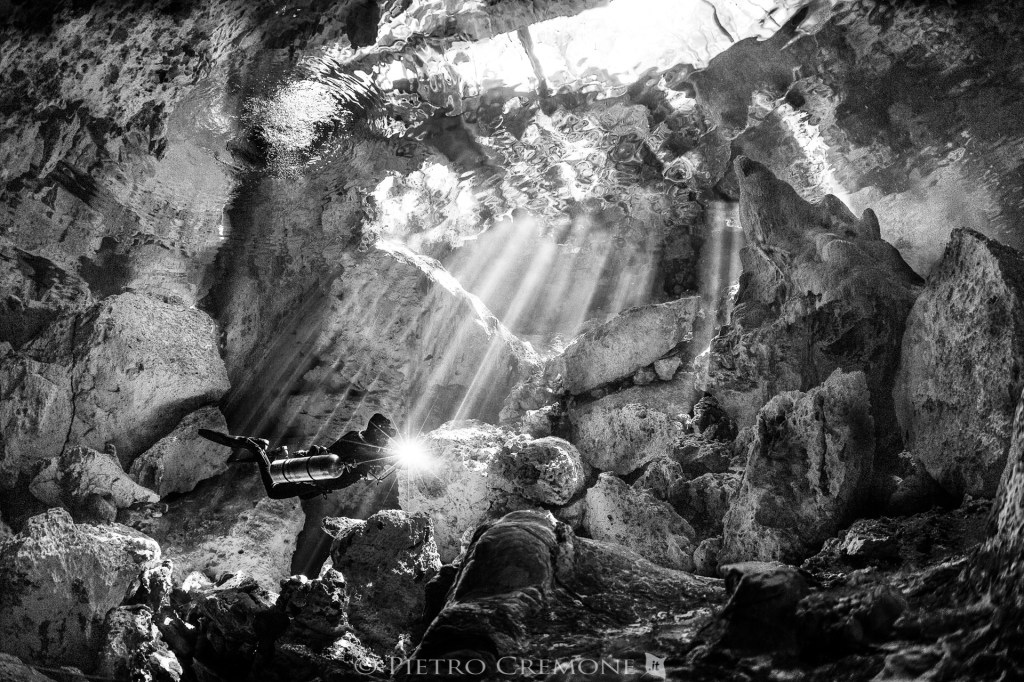
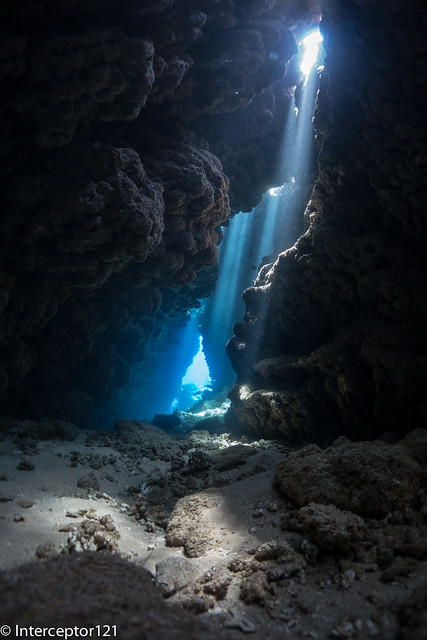
For me the most interesting wide angle though are the cave shots at Scoglio dell’Isca and Punta Campanella
Halloween: multiple entrances to the IscaZoom on the lower entrancesSchooling cardinal fish at Punta Campanella
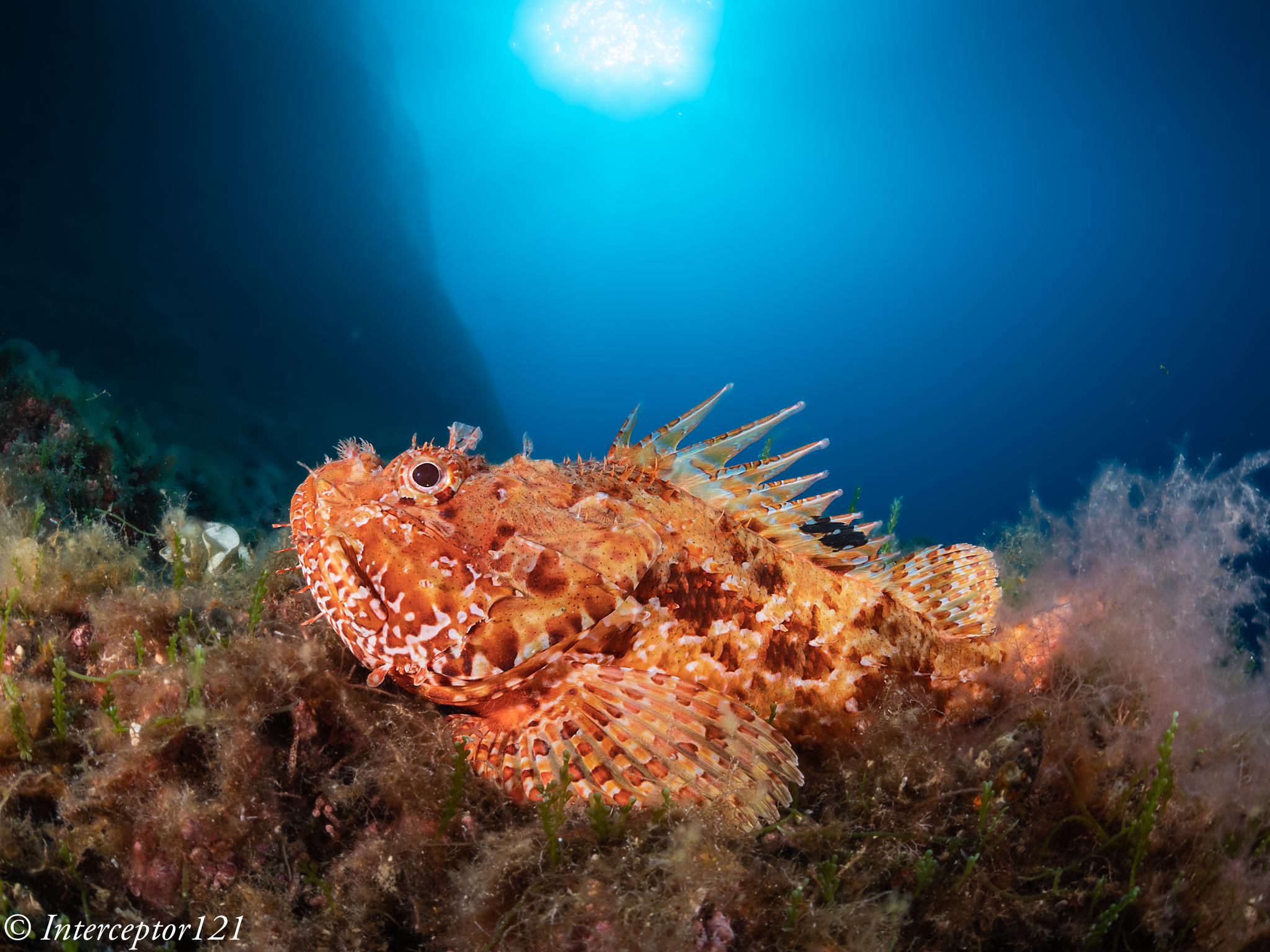
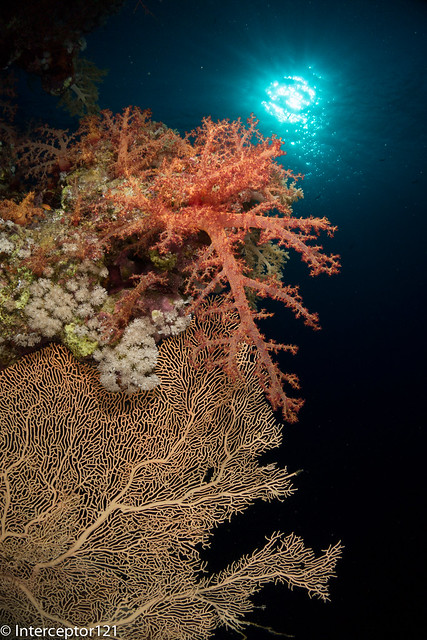
Sunburst opportunities are abundant and due to the depth relatively easy scorpionfish or small sea fans are ideal.
Sunseeker
The performance of the Canon 8-15mm on micro four thirds is just legendary!
Close Up and Macro
Afternoon dives at Puolo but also dives in Santa Croce or Mitigliano offer lots of close up opportunities.
It was the time of testing the Panasonic 45mm 2.8 on land I had the impression it gave better rendering of the Olympus 60mm and I definitely prefer it underwater.
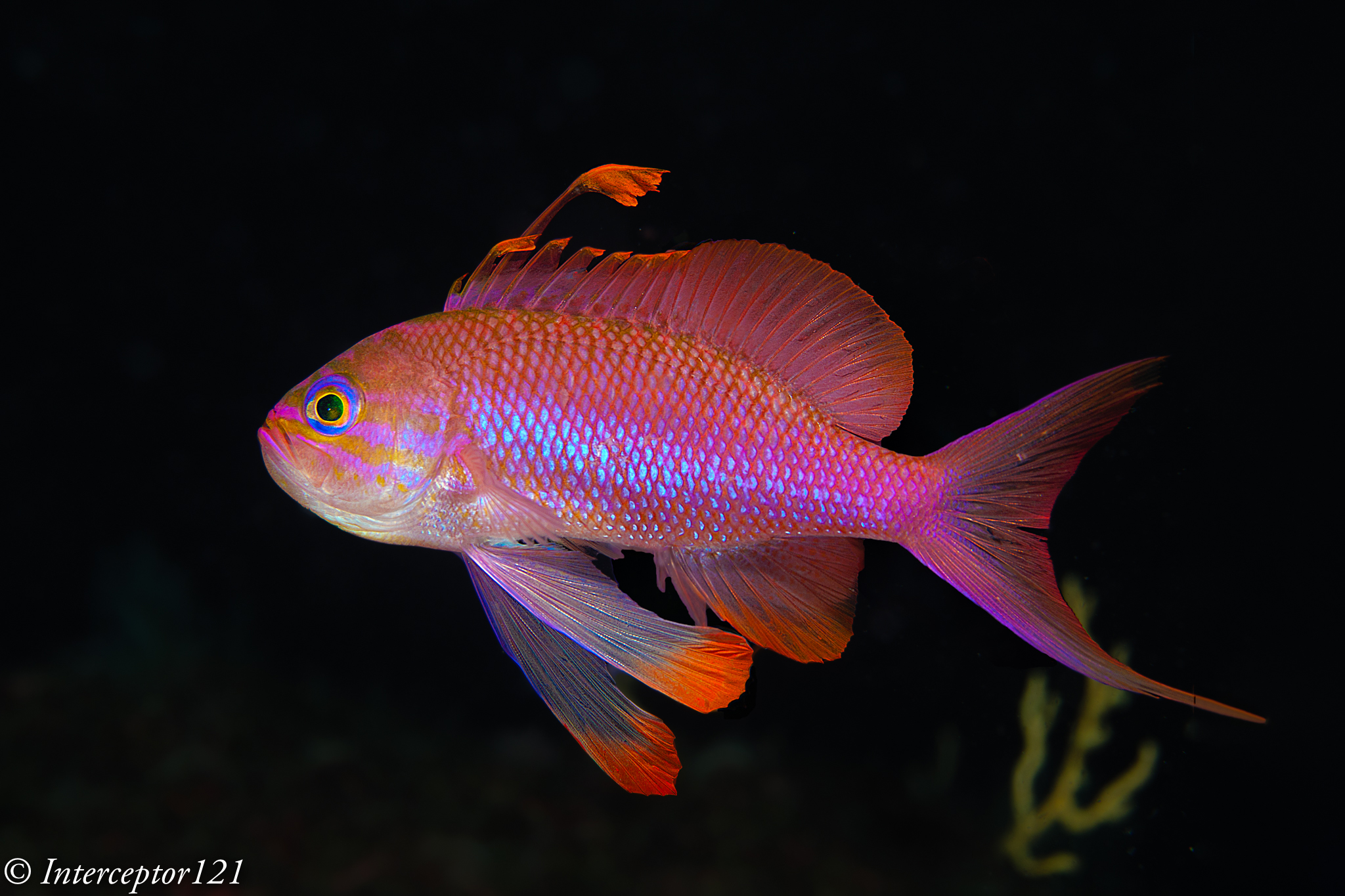
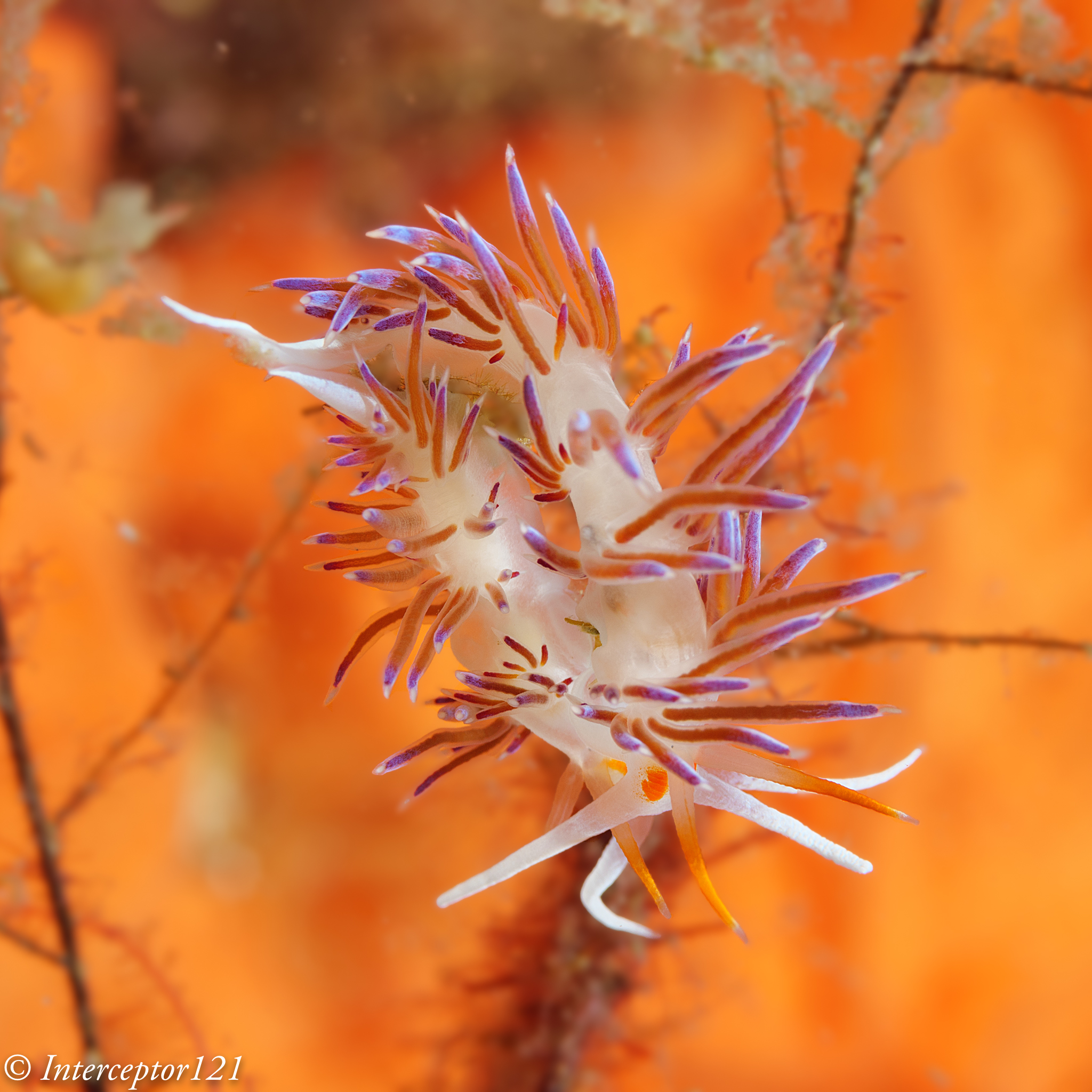
Male Anthias in breeding colorationBlenny with shrimp on his head standing on a cuttlefish!Golden BlennyMating nudibranches
It is not just macro a long lens gets interesting closeup of large groupers
Tompot Blenny Head On
Wrap Up
Diving in Italy delivered again. I am seriously thinking a group trip would be worth it next year based on the itinerary I sketched last year.
Dates for 2022 would be 4-11 September outside of school holidays the diving is really calm as most Italian divers are back to work and the conditions are usually superb. If you are interested leave a comment and I will come back to you with costs and planned itinerary.
Disclaimer: there are many USB power banks on sale however most of them do not declare the maximum output current and therefore you cannot be sure that it will work in all situations I describe. The equipment I use does work and is proven by my daily experience, the suggestions are not prescriptive but if you choose your own parts you do do at your own risk
It has been some time since my post on chargers and recharge facilities. During the pandemic I have done a considerable amount of land based photography including wildlife, landscape and astrophotography so I have had the opportunity to develop the concept of portability further on the field. So I wanted to share my experience with you all as some of the findings are beneficial in every day situation.
Charging your camera battery
Today some cameras can charge the battery in camera using USB. In almost all cases the camera needs to be turned off to allow charging, as a complete recharge of your battery can take a few hours I never use this method. I always rely on spare batteries typically 3 and a dual battery charger that can be powered using USB. I use Newmova they are cheap and cheerful for both my Panasonic and Olympus cameras.
Newmowa Dual USB Charger for Olympus BLH-1 and OM-D EM1 Mark II, OM-D E-M1X Camera £9.99
Newmowa Dual USB Charger for Panasonic DMW-BLF19 and Panasonic DMC-GH3,DMC-GH4 DMC-GH5, DC-GH5S(DMW-BLF19 Dual USB Charger) £9.99
With 3 batteries you can have two in the charger if needed and one in the camera which means uninterrupted shooting for a long period of time depending on your use.
Battery Grips
I also use battery grips in particular for my Olympus camera. Battery grip provide the most benefit when you are not wanting to interrupt shooting while swapping batteries. I usually set the camera to use the grip battery first and the camera as back up which means you can then insert another battery in the grip and keep shooting. I do not recommend using a battery grip as a sole source of power as at the end you can can go through 2 batteries relatively fast if you use quick burst shooting. The other dis-benefit of the grip is the one battery is always locked inside the camera so you need to increase your total battery stock to 4 if you use a dual charger. The grip is very useful to shoot verticals and provide weather sealing but overall is not my favourite option and I only use it for specific session on my Olympus camera because I only have 2 batteries.
There are some working 3rd party battery grip like this one that function AS LONG AS YOU USE ORIGINAL OEM BATTERIES.
Neewer Battery Grip Compatible with Panasonic Lumix G9 Camera Replacement for DMW-BGG9 with Shutter Release Focus Point Control Joystick £59.99
I have not seen versions for Olympus camera and the original battery grip is expensive. I got mine second hand for a good price.
Again if you only have two batteries or you want to rotate 4 batteries a battery grip is a good option if you don’t mind the extra weight.
Power Banks
I use a relatively simple USB power bank as I do not have PD capable cameras. This power bank has a decent capacity but more importantly it can output 4.5A using two outlets.
This power bank has also a light included very useful for your night photography. You can also use it to charge your phone but with two outlets means you can power two dual USB chargers and effectively charge 4 batteries twice until it runs out (typical battery less than 2000 mAh).
This power bank can also be used as constant power supply for cameras that take a dummy battery and do not support powering through USB.
DMW-DCC12 USB Power Cable kit DMW-DCC12 DC Coupler Dmw-Blf19 Dummy Battery (BLF-19 Battery Replacement) Compatible with PANASONIC DMC-GH3 DMC-GH4 DMC-GH3K DMC-GH4K DC-GH5 GH9 and more Digital Cameras £22.99
Using the power bank with this fake battery kit means I can run my GH5 in video for days (8.72x batteries equivalent charge).
IT IS VERY IMPORTANT THAT YOUR POWER BANK OUTPUTS MORE THAN 3A OTHERWISE IF YOU USE MECHANICAL SHUTTER THE CAMERA MAY GO IN SHUTTER VIBRATION AND SUFFER PERMANENT DAMAGE
Some well know power bank from respectable brands like anker and even rawpower themselves only outputs 3A current total so when the mechanical shutter is used and the camera draws more current you run into issue. This also happens when you set a custom white balance and the camera triggers the mechanical shutter. So if you have such power bank you are limited and hence I do not recommend them.
If you also use flash you can use the same chargers I already linked in the previous article
Prices have dropped to £7.99 for the micro USB and £9.99 for the dual USB C and micro USB input. Note that despite the misleading description the two chargers are identical except one has micro USB and the other also USB-C. The USB-C version is slightly bigger (70x90x23 mm USB version vs 97x114x34mm USB C). The USB C version has a stronger output for AAA batteries that I do not use and it does not charge faster standard AA so don’t be mislead.
EBL 40Min Smart Fast USB Battery Charger for AA AAA Ni-MH Rechargeable BatteriesEBL 2-hour Super fast AA AAA Rechargeable Battery Charger with Battery Intelligent Auto-detection Tech for 1-4 NiMH Rechargeable Batteries
Dew Heaters
Another useful accessory if you do astrophotography in humid or cold environment is a lens warmer. There are two versions I recommend the one with the temperature regulator as the strip gets to 50 C and this can increase dark current noise in your shots.
COOWOO Lens Heater Warmer Dew Heater with Temperature Regulator Strip for Ice Fog Universal Camera Telescopic Bottle Heating (Black)
Amazon.com links for my American followers
EBL 40Min Smart Fast USB Battery Charger for AA AAA Ni-MH Rechargeable Batteries
DMW-DCC12 USB Power Cable kit DMW-DCC12 DC Coupler Dmw-Blf19 Dummy Battery (BLF-19 Battery Replacement) Compatible with PANASONIC DMC-GH3 DMC-GH4 DMC-GH3K DMC-GH4K DC-GH5 GH9 and more Digital Cameras
Neewer Battery Grip for Panasonic G9
RavPower 16750 mAh 4.5A dual USB power bank
NewMowa Olympus dual charger
NewMowa Panasonic dual USB charger
COOWOO Lens Heater Warmer Dew Heater with Temperature Regulator Strip for Ice Fog Universal Camera Telescopic Bottle Heating (Black)
I have been shooting MFT underwater since 2014 coming from compacts but I have also owned DSLR cameras for land use. As I initially focussed my underwater imaging on video I adopted Panasonic MFT cameras as they have an edge in terms of video use coming from Panasonic long established video and broadcast legacy.
Recently, just days before the divestiture announcement, I have purchased an Olympus OMD EM1MKII. I have decided on this camera as during lockdown I have been attempting pictures of birds in flight and the autofocus of my Panasonic G9, that I was using since February for land pictures, was not satisfactory.
I have since pondered if it made sense to switch to Olympus also for underwater use and I have considered the pro and cons of this choice compared to Panasonic semi pro models GH5 and G9. I thought of sharing my thinking with you so that if you are considering an MFT system as your next investment for underwater imaging you have a point of reference.
Note: I am only considering the top range Olympus cameras as others do not offer in my opinion any benefit over Panasonic range.
Strengths of OMD System
Olympus OMD Auto Focus system
At time of writing the OMD EM1 series and the EM5 Mark III use an Olympus specific on sensor phase difference detection auto focus system. Note this is different to DSLR phase detection and more similar to Sony hybrid AF system.
I found this system to be very effective with birds in flight once locked on the subject and much faster in locking on subjects as long as the background was clear; with this I mean this system still struggles if there is a busy background to acquire focus. In particular the CAF with tracking is very effective for birds that do not move too fast in the air or are about to take off from a fixed spot. It also effectively tracks at higher frame rate any type of object in motion. This system is superior to Panasonic CAF that is based on motion estimation for shots following the first one of the burst. More specifically it is harder to acquire focus for the first time with Panasonic and the following shots are estimated using a motion prediction algorithm without continuous autofocus. This feature is the one that sets Olympus camera that have phase detection AF apart from Panasonic and from more economic Olympus model such as the OMD EM10 series. Another useful feature is that in review mode it tells you what the camera focussed on.
This shot is taken on a Panasonic G9 using the Pre-Burst functionality
Other features of OMD system for land use
If you shoot at night another very useful feature is live composition, this is very useful for fireworks or star trails but not effective for real astrophotography for which you need a star tracker or use stacking. Other features that are present in the newer EM1MKIII like starry AF are in my opinion not useful if you know how to focus on stars.
Milky Way with Panasonic GH5 shows no tangible difference to OMD Shots
Olympus Housing Costs
As Olympus bodies are smaller and simpler the housing cost compared to Panasonic G and GH series is 30% lower this is material in the scheme of things as Panasonic Pro housing are almost as expensive as an APSC DSLR. This for me is the single most important factor.
The most evident one for macro shooters is the lack of on screen MF guide as displayed in Panasonic cameras. This very useful for macro but also for astrophotography and video as you know if your camera is at the macro or tele end. For macro underwater photography this means you know if you have hit the minimum working distance and maximum magnification so now you can focus on getting the shot using peaking.
Olympus does not offer a guide but you can pre-set a mode called Pre-MF to minimum distance however I found the on screen peaking to be really poor and ultimately getting less magnification in macro shots.
Typical Macro Shots where the MF Guide feature is useful to ensure maximum subject size
Exposure Aids
While Panasonic offers customisable Zebra on screen Olympus only offers a red and blue colouring and the levels only offer limited customisation on a 0-255 8 bits scale. This is OK for checking clipping in absolute but not good for specific exposure targets.
Video Mode
The video modes of the OMD are simply poor and the codec quality just good for your occasional video. The lack of exposure aid and support for manual focus make the whole video experience very very dissatisfactory.
Framing
With Panasonic you can set framing guides on the screen for 1:1 5:4 whatever you like without changing the image aspect ratio, this is useful if you want to frame a shot for a specific platform. Olympus lacks this feature entirely.
Image Quality
I can confirm that for underwater and land use I see zero difference in performance between my OMD EM1MKII and the GH5 in the range ISO 200-1600. It is true that the Jpeg settings are different and the color rendering is different for Jpeg however shooing RAW files this becomes irrelevant and I can’t distinguish the shots when the calibrated adobe profiles are used in Lightroom. I believe at some point that Olympus images were sharper however this was due to the images being better in focus when it comes to birds and subjects fast moving.
In terms of JPEG rendering Olympus choices are better for nature and landscapes with more saturated colours, for portraits I prefer the Panasonic rendering. Again those settings are not relevant for RAW files.
Nauticam GH5V a whopping €2,862 due to the M21 Valve weights 2.36 Kg
Conclusion
In my opinion the most attractive feature of Olympus cameras for underwater photography use is actually the reduced cost and size of the housing. While the extra strength are surely worth for land wildlife photography I truly do not think they make any difference underwater. For sure it would be better to do a field test, this so far has not been possible and if anybody gives me an OMD EM1MKII housing to test I would be very happy, however using the tools made available by Panasonic I do not get almost any shots out of focus and those there are blurred are because I forgot to change a setting on the camera.
For video I cannot recommend the Olympus system at all, Panasonic is way ahead on this on a number of accounts.
In conclusion if you are 100% focus on photography and just take an occasional video the OMD system is light more compact and less expensive. It will not give any edge to your images as the sensors are identical. If you shoot a mix of video and photos the choice is Panasonic. Rest assured none of the AF strength of Olympus will improve your hit rate, if your shots are blurred you are likely using the wrong settings with your camera. The housing costs tho are higher and the rigs are less portable.
In light of Covid-19 many long haul destinations are still closed and may potentially be for a long time so your UW photography gear may collect a good amount of dust…unless you join me for this wonderful trip, on the gulf of Naples, in the marine protected area of Punta Campanella.
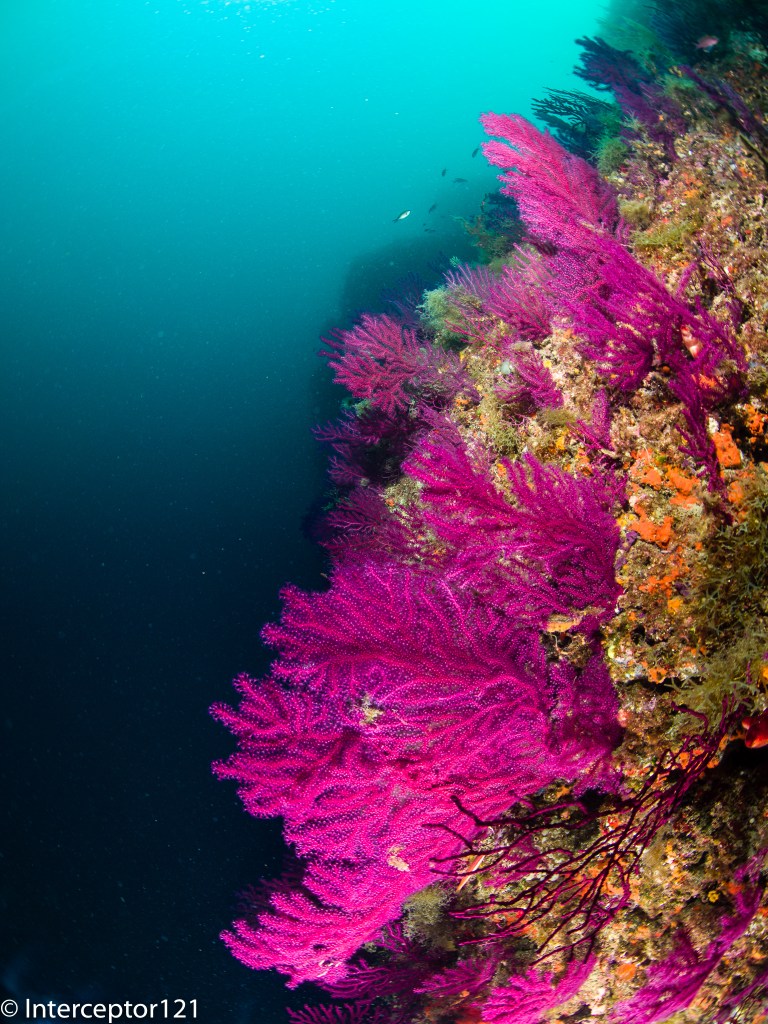
Strategically located and fronted by the island of Capri Punta, Campanella offers exhilarating dives with schools of snappers, large groupers, thousands of barracudas as well as wonderful red and white gorgonians. It also offers caves, macro and amazing night dives.
Barracudas at Scoglio a Penna
More information on the website of Punta Campanella.
The area is also home to Mimmo Roscigno, a super talented local underwater photographer, who published a book on the fish life found in the area.
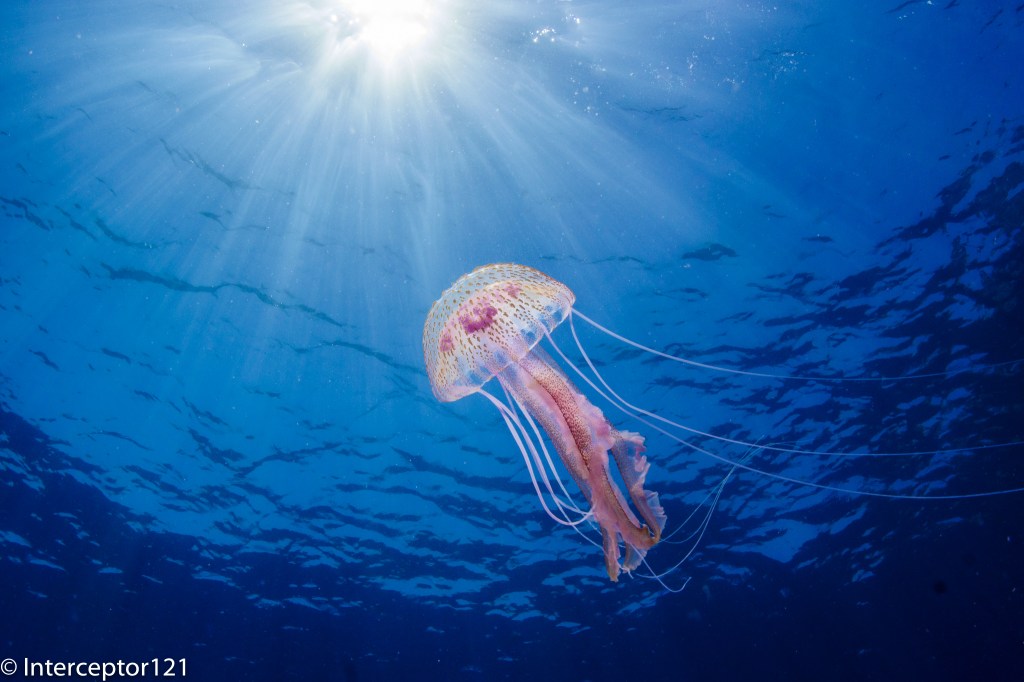
Jellyfish photography is possible near the coast
On top of that the area offers amazing food and views. Capri, Pompei and Positano are nearby if you fancy a trip during the degassing day.
Spaghetti with clamsCapri on the background of the RIB
Accommodation will be at Sea Breeze Residence that is 2 minutes walk from the marina and meals will be at the Paguro restaurant on the jetty, serving fresh food with local produce and fish.
Planned itinerary:
13 September Arrival in Naples. Transfer to Massa Lubrense. Light Lunch. 1530 Mandatory Check Dive. Transfer to Massa Lubrense. Check in at Sea Breeze Residence
19 September. Degassing day. Free time to explore the area (Capri, Positano, Pompei are nearby)
20 September 6.30 AM departure to Airport. 10:35 Departure to destination
Extras:
Night Dives €40
Diving Baia Archaeological Park (transfer costs only, dependant on number of participants)
Flights (average price at time of writing is under £100 excluding luggage)
Price €1,350 excluding flights includes 15 litres tanks
Due to the heavy discounts involved, a non refundable €350 deposit is required by 31st of August to block the rooms.
Covid-19 disclaimer: all operations and the hotel adopt regulation as mandated by local authorities. Room rates are based on single occupancy, double occupancy is allowed for member of the same household but will not grant any further discount on the quoted prices. In case of lockdown of the area of additional UK restriction towards Naples the trip will be postponed at no extra charge.
Other Sample Shots from the Trip
Soglio a PennaLarge resident grouper on Banco di Santa CroceEagle Rays are resident at Banco di Santa CroceStalactites in a local caveRed coral starts at 25 meters in the area while in other site of the mediterranean is at 40 meters and deeperThe optional trip at Baia offers unique photo opportunities
There is no doubt that until a Covid-19 vaccine is widespread our travel plans have to adjust to the new conditions. As of today 2 August 2020 most of our favourite destinations are still in the no go list and are not covered by travel insurance.
The latest list of countries and territories published by the British FCO does not include Egypt, Indonesia, Philippines and no countries in South America although it does have many Caribbean destinations.
With the situation evolving fast and the imminent prospect of tighter lock down as we go towards winter many people would not travel long haul anyway to avoid risks of quarantine or possible issues coming back to their home country. So for now, many of us will travel more locally. We have seen lots of new underwater photographs taken locally in British Waters but there is no doubt this is not out of choice and most people would rather be elsewhere.
After the postponement of my Red Sea live-aboard to 2021 I have been invited to the Italian Nauticam days in Italy in the stunning location of Napoli and Sorrento and coast. I am from the same region and all my diving training has been abroad so I am guilty of not having tried the local diving until now. If you don’t want to read the whole article the summary is that the diving is great and combined with the natural beauty of the area, the warmth of the local and the food and drink there is probably no better alternative for diving safe in Covid-19 times in Europe right now. I am sure there are equally stunning places in Liguria and some of the Sicilian or Tuscany locations however the Penisola Sorrentina is very hard to beat when you consider the other elements. Please get in touch if you want to dive the area as I am planning a trip mid September 2020.
The Diving Centre and Location
I used Punta Subaia and Punta Campanella Diving centre two long standing operations on the coast. The first is located in Bacoli north of Naples and the second is in Massa Lubrense just past Sorrento. Bacoli is Naples local beach so gets more local traffic while the other location is more touristic in nature with a good ratio of foreigners: during my stay there were English, German, French, Swiss and Dutch on the dives.
I used a 5mm wetsuit with a 3mm hooded vest and a thermal top under and was fine. Locals dive with a 7/5mm semidry suit.
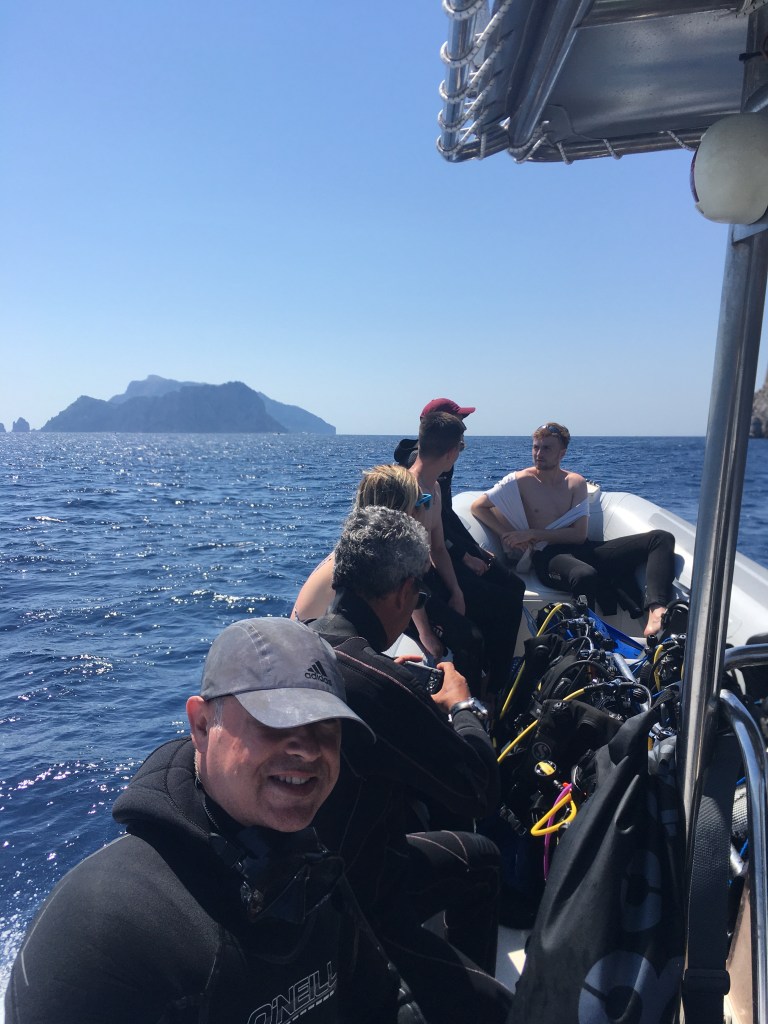
Diving is done using 7.5 meters RIBs that can take up to 8 divers on a double tank or 12 on a single tank dive. Covid-19 procedures are in place and face masks are not mandatory outdoors in Italy however spacing on the RIB is challenging so you have checks and declarations to fill in. Some people wear face masks on the boat too is entirely up to you.
1 meter distance on the boat is possible
Journey time to the dive sites is 5 minutes in Baia while in Punta Campanell it can be up to half hour and the scenery is amazing as Capri is just in front of the coast and the landscape is jut breathtaking.
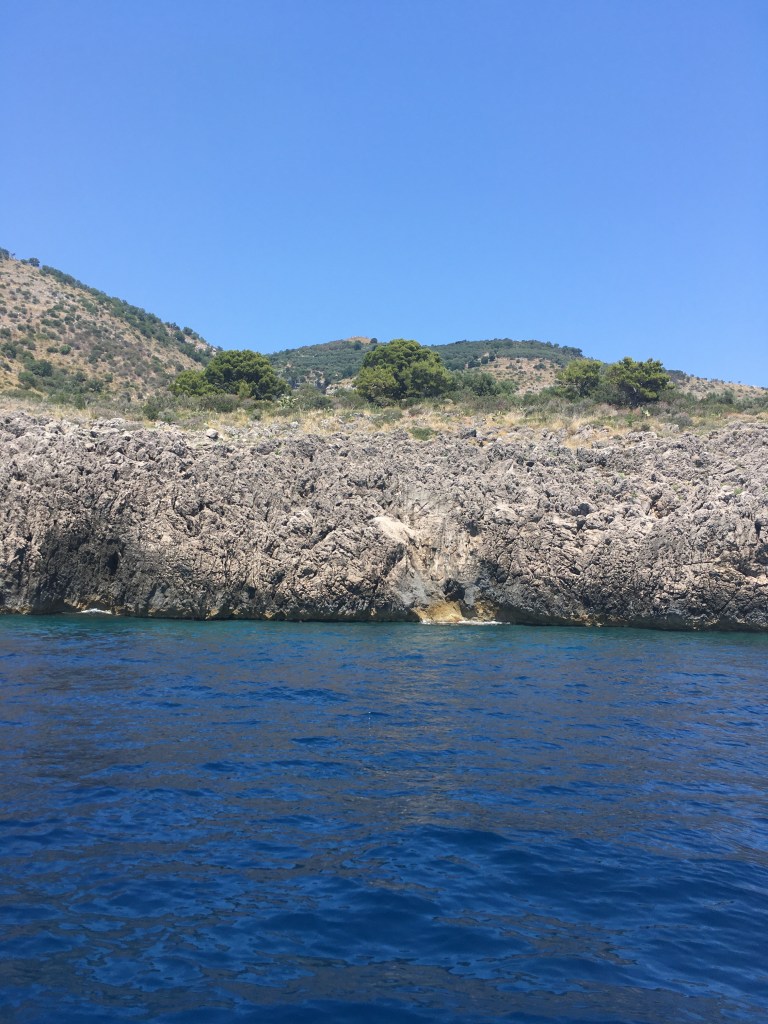
Under those cracks there are frequently underwater caves at shallow depth
If there is one thing that I did not like is that in the morning there was not a systematic double tank excursion so sometimes the day would finish at 6 pm with only 3 dives done. Crew are very helpful and 15 litres tanks are included at no extra so in all cases I came up because I reached the 1 hour limit still having plenty of air.
Divers getting ready to enter the water on a coastal dive
I booked a double room with single occupancy at €80 per night B&B 2 minutes walk to the dive centre. Food and drinks with wine runs at €50 or less per day and is glorious!
Spaghetti with clams will cost you €13
Underwater Photography
If you want to have an idea of the critters in the area I would recommend the book Into the Mirror from Mimmo Roscigno ISBN: 9788890966804 is only in Italian but it is a typical coffe table book the images are simply amazing.
For wide angle a good sample is on Punta Campanella Dive Center website, also look for photographers Marco Gargiulo that is local of the area. Other photographers like Franco Banfi have also been here for workshops. So there has been some fame but mostly limited to Italian speaking photographers, this is a shame as the staff speaks English and this is a photo friendly operation.
Subaia
I went for this trip with a selection of wide angle lenses, I had been told by Pietro Cremone about the underwater archeology park so I packed a rectilinear wide angle in order to avoid distortion.
Dives in Subaia are typically 1 hour long max by law at depth of 5 meters.
Dive site maps are placed underwater however you need to dive with an autorized guide
The dives have to be done with an expert guide as the mosaics are normally hidden to protect from the agents and the water.
Edoardo Ruspantini clears the debris to show the underlying Mosaic
The Dolphin Mosaic
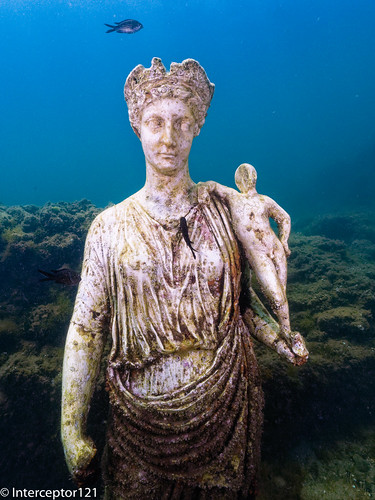
There are also replica statues that are good subjects, the originals are in the Napoli Museum.
Goddess of Men
There are many villas and it is impossible to cover the grounds in two dives however I had planned to move to the second location so I drove two hours to Massa Lubrense on the night.
Punta Campanella
Here the diving is about fish and caves. You have a combination of close up subjects and wide angle. I took by zoom fisheye with me so I focussed on wide angle. Sea life includes plenty of Anthias and Damsel, Snappers, large groupers, eagle rays, breams, bass there is a lot of fish as the area has been a protected marine park for more than 20 years now. I was not expecting this abundance, there is also a resident shoal of Barracudas 1000+ strong specimen that is in shallow water at one of the sites. Due to limited processing power I have not yet created a 4K video however I took plenty of shots. The whole album is on flickr. I hereby include some key shots.
Medusa
Red Gorgonia
Grouper
The Mask
Barracudas
Caves
Eagle Ray
Wrap Up
I was frankly surprised by the sheer abundance of photo opportunities and I will be always taking my equipment whenever I go back to Italy in the summer. There are so many positives to the location:
Great photo opportunities
Well organised dive operation English speaking and photo friendly
Stunning location also for non divers
Amazing food
Fantastic people
Easy to reach from UK and other EU countries
Covid-19 procedures in place safe location with prime health system
I am so impressed by the location that I will be back and in fact I am planning a photo trip the week of 14 or 21 September, with the following itinerary:
Sunday arrival dinner with local photographers to have a taste of the area
Monday to Friday double tank morning dive, afternoon optional 3rd dive or sightseeing
Photos of the day debrief after dinner time – optional
Saturday no dive day local trips optional or travel independently
Sunday free morning transfer to airport and return
Diving cost is €400 for 5×2 tank dives to be booked in advance through me. For those we will have exclusive use of the boat optional dives in the afternoon non exclusive will be €35 per dive. Accommodation will be typically less than €600 euro for the week in single occupation and plane in the region of £100-150 depending on extras. I can help with accommodation, travel and transfers. You can also rent a car as low as £15 per day this is especially of value if planning to come with partner or family.
Please fill the contact form if interested spaces will be limited to maximum 8 for the trip. I think it will be a long time for anyone to be in tropical waters with the Covid-19 situation, this is an opportunity not to be missed until the water stays warm and enjoy one of the world very best destinations.
This week 121 is with Pietro Cremone who is a long standing photographer and also runs the Fotosub Shop who is the distributor of most key brands of underwater imaging and Nauticam importer for Italy.
Pietro is a people person everybody knows him in the Italian underwater photography scene and during this lock down he has made series of live shows on facebook that have been both informative and entertaining. Pietro is very active on the web and social media and I invite you to connect with him.
I was born in 1964 in Castellammare di Stabia, and from an early age I was fascinated by the sea.
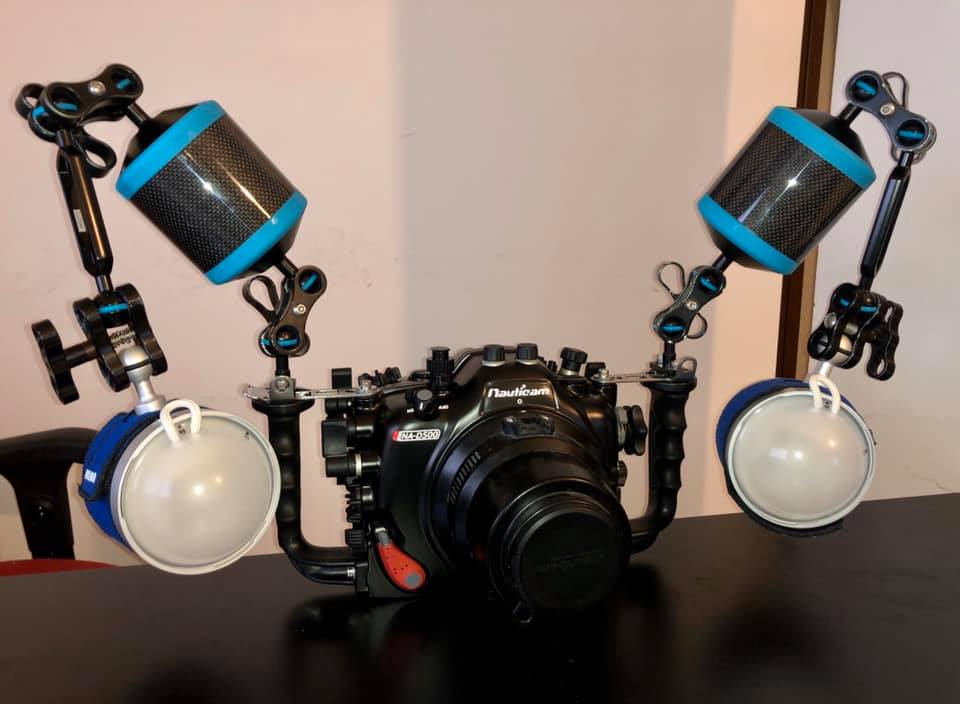
Pietro with his current Rig
As a child I enjoyed exploring the tide pools with mask and fins, and later I started spear fishing with my small spring-speargun, with which fortunately I could not catch almost anything.
Growing up, I replaced the speargun with the camera.
Over the years, my passion for underwater photography has grown a lot, and I decided to turn it into a profession Since 2009 I am the owner of Fotosub Shop, an underwater photography shop that has become the Italian reference point for underwater images in just a few years.
I occasionally participate photographic contests, and I have had many satisfactions, with some of my photos exhibited in museums and even at the United Nations on the occasion of World Oceans’ Day.
With my colleagues Marcello Di Francesco and Massimo Zannini we won the World Shootout national championship in 2018, and this year we were again in the final 5.
My latest awards are an Honorable Mention for the Slideshow section in Ocean Geographics contest, another HM in the Memorial Maria Luisa and a first place in macro section for the Dive Into Pink contest.
Questions
When did you start underwater photography and why?
I started very early, around 1989 after my first tropical trip in Thailand. What I saw while snorkelling in Phi Phi island was so exciting that I decided to start with UW photo. I was not yet a diver but I enjoyed a lot trying to shoot on the surface and skin diving.
Interesting shots can be taken snorkelling or skin diving
How much diving experience did you have when you started?
None! I took the camera underwater just after my OWD license. I was already photographing in snorkelling with a digital compact.
Compact cameras can get you started in underwater photography – This shot is NOT with a compact…!
Were you a land photographer before starting?
Yes, I loved photography since when I was 20.
What were you shooting and do you still shoot land photography?
I love shooting landscapes and portraits, and often I shoot my cats 😊
The eye of a landscape photographer translate well in underwater wide angleMushroom
What was your first underwater camera and housing?
I started with a Nikon FG SLR in a NIMAR housing, but my first serious shoots underwater were with a CANON A90 compact with the small Canon housing.
Pietro Started with a Canon Powershot compact
What is your current camera rig and why did you choose it?
Actually I shoot with an NIKON D850 housed in Nauticam. Since 2010 my housing choice is Nauticam, not only because I’m the Italian distributor for this brand, but because I always loved the perfect ergonomy and usability of these housings, along with the impressive choice of ports and accessories that I can achieve.
The NA-850 for Nikon D850 and a set of Retra Strobes
What is your favourite discipline (wide angle, macro, portraits, blackwater, etc)?
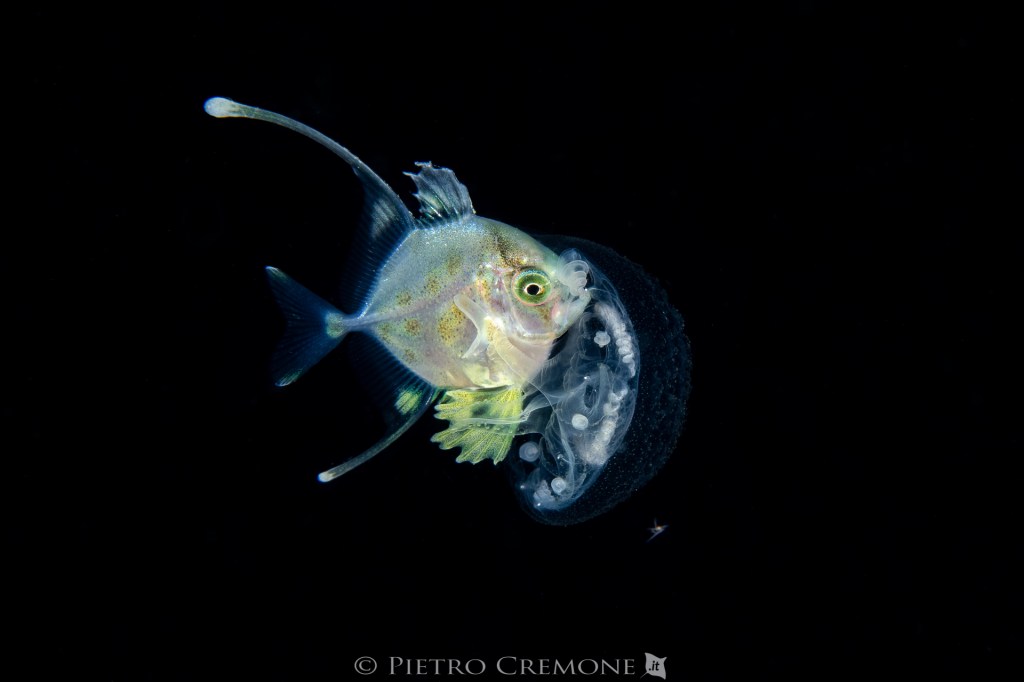
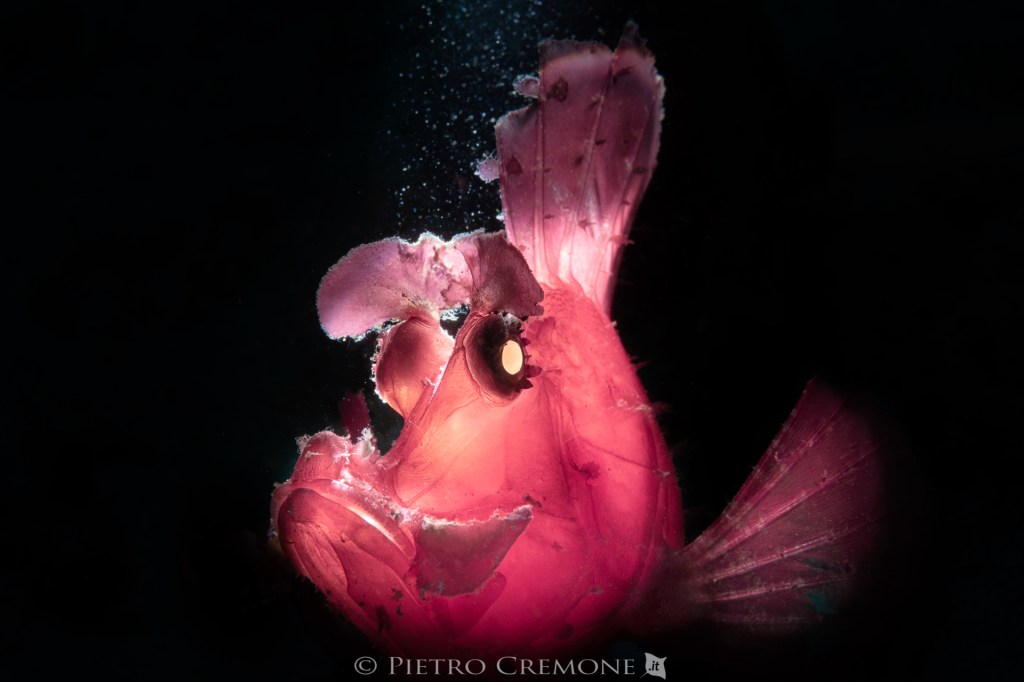
I love wide-angle photography very much, although I don’t mind small subjects, that I always try to portray with a small artistic and personal touch. Some times ago I discovered the wonders of blackwater in Anilao and it has become one of my favourites!
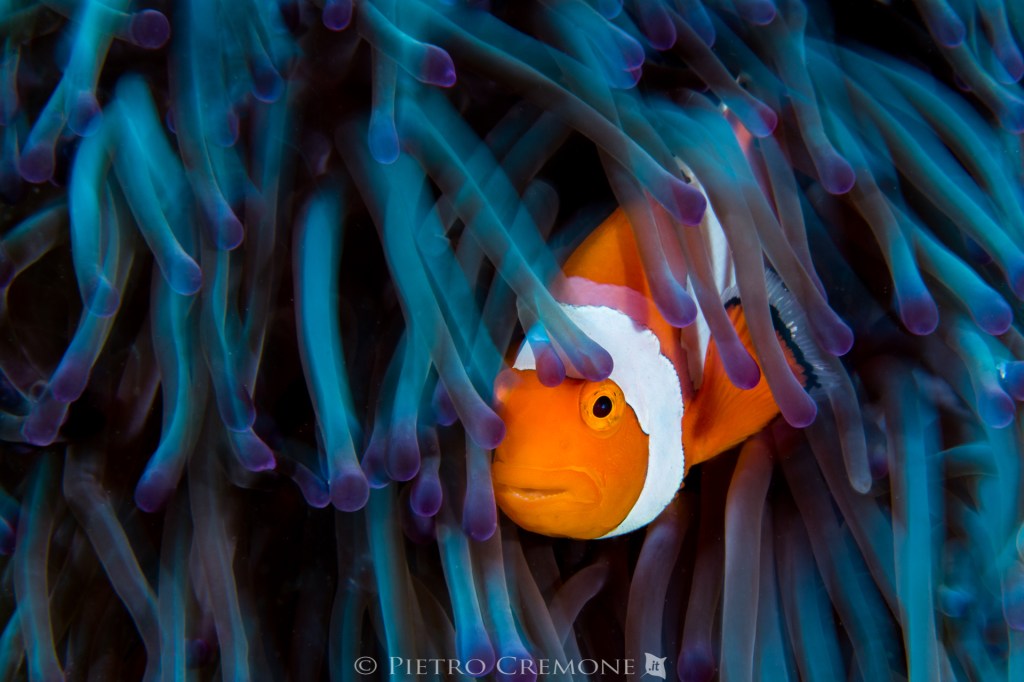
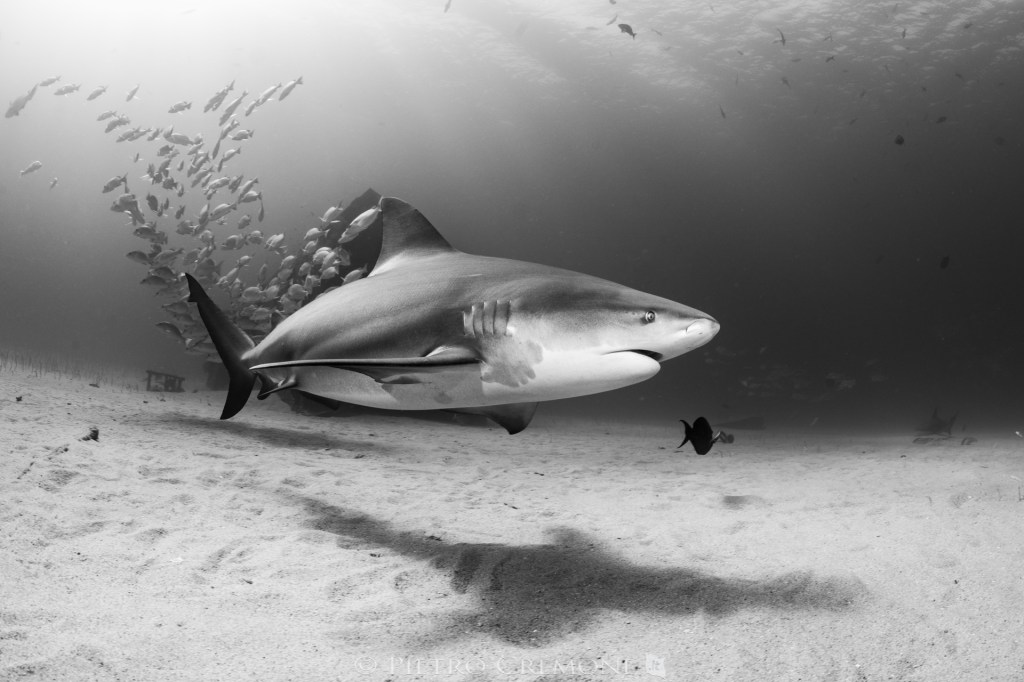
Sea Lion and baitballRed and greenBull Shark PortraitAnilao blackwater divingMore blackwaterRhinopia bubbling upAbstract
What has been to date your best trip from a photography viewpoint?
I have 2 places in my heart: Raja Ampat and Baja California. They can offer all that an underwater photographer can dream!
Raja Ampat and piersFlowers in the skyRampant Flabella
How many trips have you done in the last 3 years and where?
I’m very lucky because I can travel a lot thanks to my work (I run workshops and guided trips for my customers).
My last trips took me often in Indonesia (Raja Ampat, Wakatobi, Maratua), Philippines (Anilao, Puerto Galera), Maldives, Red Sea, Baja California.
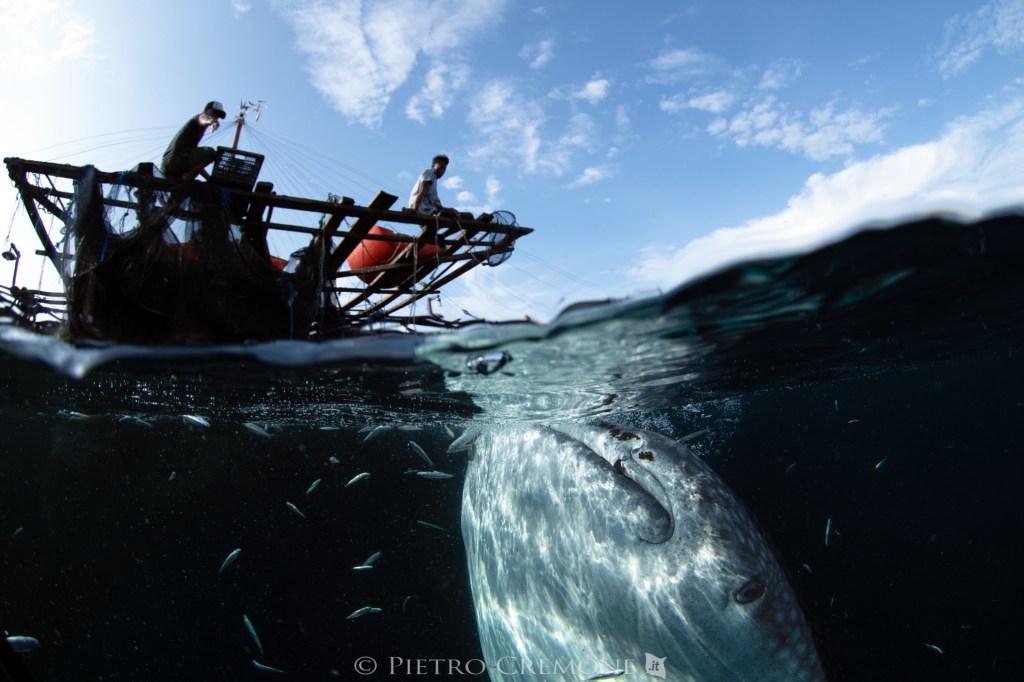
Oslob Whale SharksClassic caymanManta MadnessBack to back PygmyJellyfish burstManta on carpetGoby life
Has there been a defining moment where you think your photography improved significantly?
Yes, I started diving and photographing in 2006 but around 2010 I met Mimmo Roscigno, one of the greatest Italian photographers, and with his inspiration my photo started to improve a lot. Then in 2012 I had the pleasure to be in a workshop held by Alex Mustard, and that was another important milestone in my career.
Mimmo Roscigno historical Italian Underwater Photographer
What is your personal favourite shot among all you have taken?
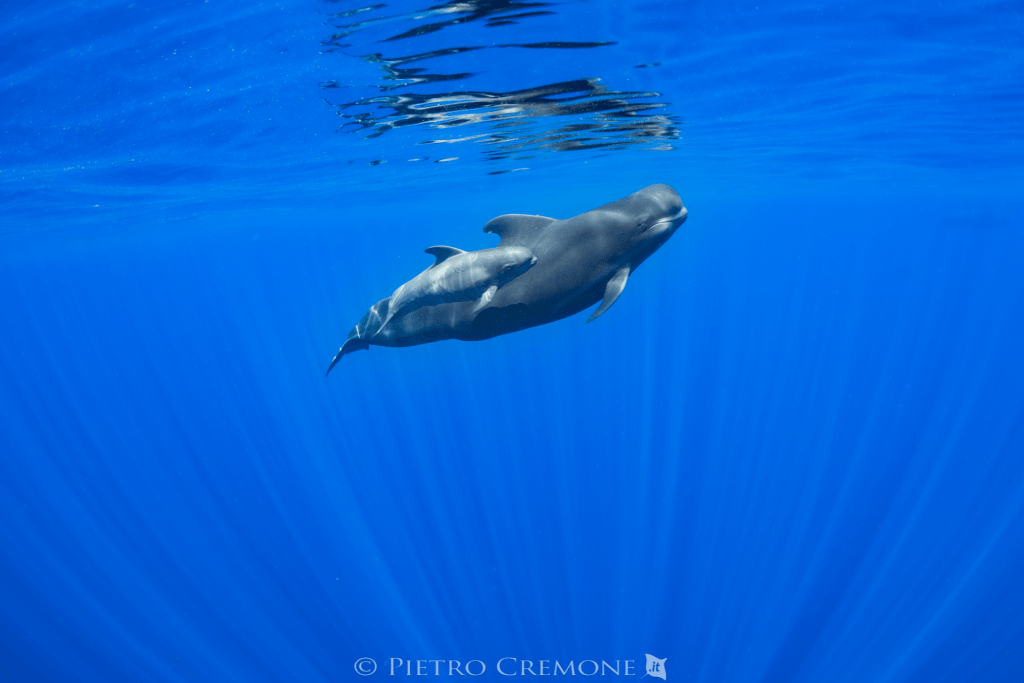
That’s a hard question, because I have so much images that I love! But there is one that is special for me, it depicts a Pilot Whale with its newborn calf shot in Atlantic Ocean.
Pietro own favourite shots of pilot whales mum and calf
I found this shot so sweet and awe inspiring, and remembers me a very special moment spent with these wonderful animals.
It also won the “Coup de coeur” in a Festisub edition.
Due to Covid-19 I have decided to postpone the boat to 30 July 2022. I have also had some cancellations due to the same reason so currently have 2 spaces. Prices remain unchanged. What follows is content from the original post.
Diving for images or video can be frustrating at times. I find this less so for macro and super macro where you are resort based and you can hire a guide with super sharp eyes that will help you find the right subjects. For wide angle it is a totally different story. Land based may preclude the best access to certain destinations whilst if you are on a liveaboard with divers there is a conflict of interest. The boat will typically run a fixed itinerary cruise and the result is that you will visit many times so more memorable than others and typically just once. The single dive you do may not be at the right time of the day and the ambient light may not be the best for what you trying to do.
I am self taught and I like to read books and experiment myself however some years ago I was invited by Nauticam to a Red Sea workshop with Alex Mustard.
What I really liked about that workshop was the ability to steer the boat to the right sites, to be able to dive at the right time of the day and also to repeat dives on the best sites and omit the areas that were not promising. For me this had great value on its own.
Of course Dr Alex Mustard tuition was also superb however I have now done this workshop 3 times and I believe that element has become less interesting. I also happened to work in Sharm El Sheikh as resident instructor at the Marriot Hotel so all dive sites were already known to me as a diver at least.
On those workshops I found very useful the fact that you could see the work of others and learn from the group, I also like the fact that there was no competition so everybody was encouraged to share.
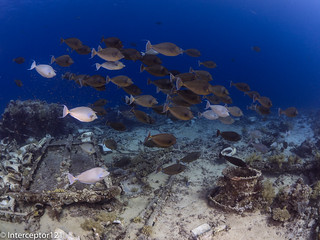
Needless to say that after years of diving the same sites I still find the Northern Wreck and reefs of the Red Sea one of the best imaging destination in the world so I thought how do I have the same experience without the workshop part and the related high costs – it costs almost double a standard diving trip to book Alex workshop and they are fully booked almost immediately.
A further issue that has occurred in time is that there are no flights to Sharm El Sheikh from UK and now majority of boats live from Hurghada. This seriously limits the workshop as you have a lot more navigation.
Update: there will be direct flights to Sharm from UK in 2022
So my ideal requirements for such a trip would be:
Boat to live from Sharm El Sheikh not Hurghada. I rather have indirect flights and burn land time vs consuming cruise time in transfers
Need to be able to have full control of the itinerary
Dive as a photographer with a loose buddy concept
Have a good boat and logistics
Have small number of people in the water – I think 20 is too much so I have set my target to 8 min 12 max
I reconnected with my old network and after looking around I have found a boat and a company that can help with this.
King Snefro is the only liveaboard fleet currently departing from Sharm El Sheikh and the boat of choice is the Snefro Pearl
Cruise Dates: 30 July – 6 August 2022
Price: €1250 per Pax in twin cabin includes:
32% Nitrox
Airport transfers
12 Liter tanks
3 meals, snacks and soft drinks, tea and coffee
Special imaging orientated dive briefing to make the most of the sites
Group image debrief – optional participation
Arrival on Saturday 30 July – check in commences at 1800
Check out Saturday 6 August – 1200 latest
For those whose flight leaves much later possibility of a stop gap in a beach resort before final departure
You need to be a PADI Advanced Open Water Diver or equivalent and 30 logged dives are required for this safari. All dives, especially some more demanding wreck dives, are subject to diver’s qualification and experience.
EAN or other Nitrox certification required if not training will be provided on the boat at a charge.
LOCAL FEES (National Park, Environmental Tax & Departure fees): 75 € per person to be paid on board in cash
Extra Hotel arrangements if you are coming the day before or leaving the day after
Soft All in per in Single room = 69 € per night Soft All in Double room = 89 € per night Soft All in Triple room = 119 € per night
Service Charge & taxes included, Transfer Airport to Hotel/ Hotel to Airport is included (Check in starts from 14:00 H, Check out till 12:00 H, in combination with safari booking early check in or late check out will be arranged free of charge)
On to the dive sites:
Wrecks of Abu Nuhas
Giannis D
Giannis D Classic Shot
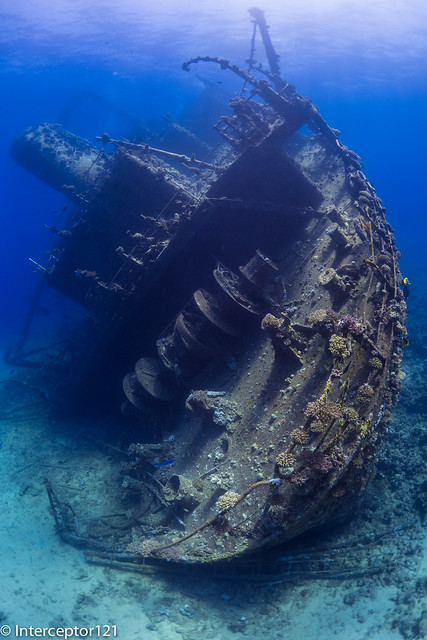
Carnatic
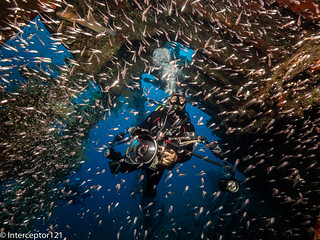
Silversides and diver in the Carnatic
Chrisoula K
Bow of Chrisoula K
The Tugboat
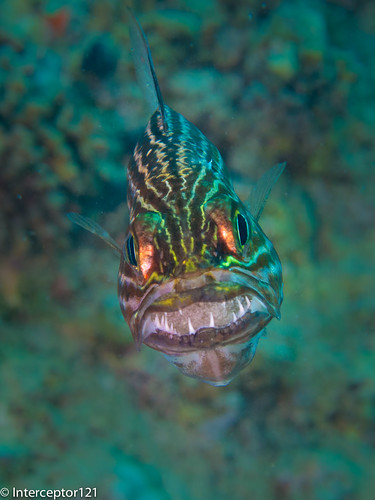
Tiger cardinal fish with eggs
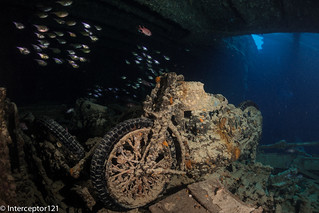
The Thistlegorm
bike on hold 2
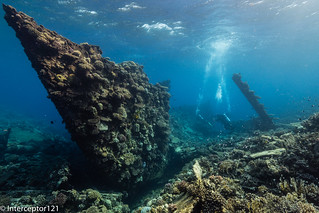
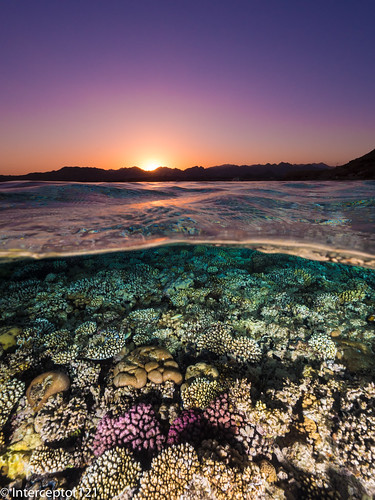
Ras Za’tar (Optional site for sunbursts)
Suburst on Ras Za-tar
Jackfish Alley – Optional site for caves
Cave 2 Jackfish alley
Ras Mohammed where at that time of the year you can have various shoals of fish
Bohar Snappers
Snapper Sunburst
Barracudas
Arrows
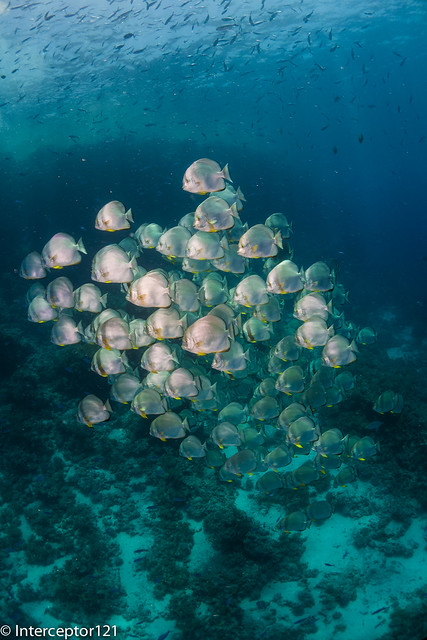
Batfish
Bats
Surgeonfish
Toilet flush
Instead of night dives we will do snorkelling session for split shots or sunset dives
Sunset on Ras Katy
I will be glad to help with ideas for the sites or the shots to take however this is not for beginners so if you don’t know even how to work out your camera works maybe it is not for you. The trip is open to photographers and videographers I will shoot both and will provide assistance as required. Below little sample of the video opportunity in Shark Reef
Please use the form to book a space. In case the cruise it is sold out I will operate strictly a first come first serve basis at time of writing there are five space left so hurry up. In case of cancellation I will also run a wait list. Please inquiry for any other details as well
I have met Nick in 2015 and I was immediately impressed by his techniques and shots and we have been on a couple of trips together were I have been able to see the dedication he puts in getting the right image. Nick has the mindset required to take stunning images without a doubt.
So I am very pleased to share this post with you. Nick has also provided me with a set of pictures that I will host here. To stay up to date with his shots follow him on Instagram
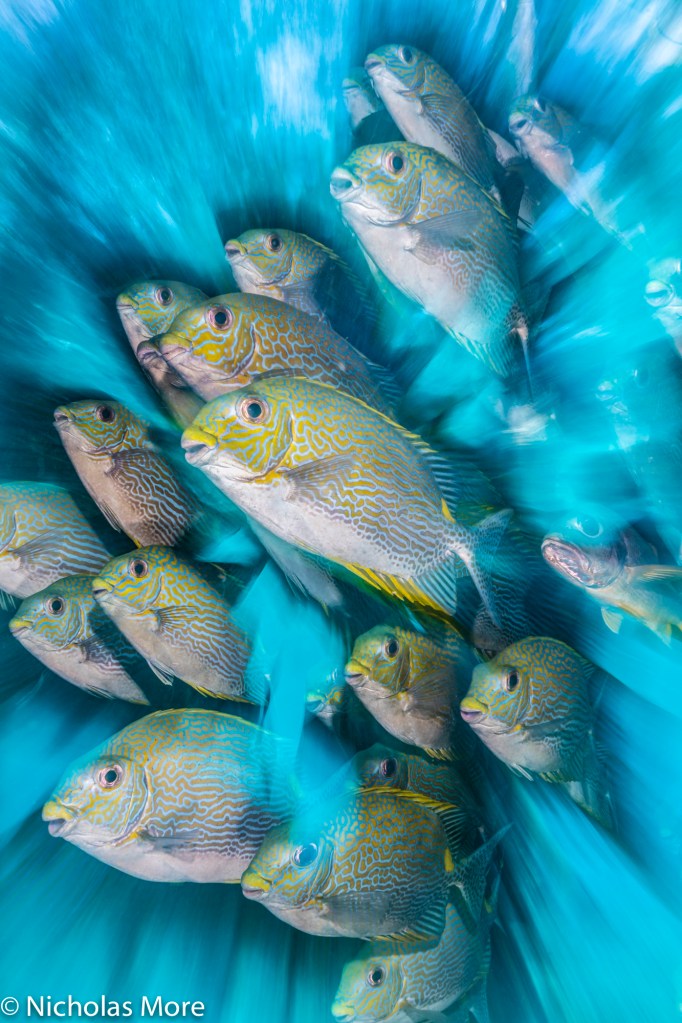
If you want technical details on how to take motion blur shots the best path is to get a copy of the 2020 edition of Martin Edge‘s book The Underwater Photographer: a classic in the library of each underwater shooter.
Underwater photographer 2020 Edition
Chapter 9 of the 2020 edition is dedicated to Motion Blur and is authored by Nicholas More in person so you get the low down required by the photographer who has made this style his trademark.
Who is Nicholas (Nick) More?
Nick and his trusted D500 during a workshop with Dr Alex Mustard – use permitted
Dr Nicholas More is a Dental Surgeon from Exmouth, Devon, UK and is married to Rachel and father to their son, Ben. He has been diving since his teenage years and is now a PADI Dive Master, with well over 2000 dives. Nick combined this with photography in 2012.
Key Achievements
Nick is a multi-award winning Underwater Photographer and the current British Underwater Photographer of the Year. His other notable achievements include numerous commendations in the British Wildlife Photography Awards (BWPA) and the Underwater Photographer of the Year (UPY), back-back wins in the BSoUP Print competition and a Silver medal in the Our World Underwater Photo competition.
Underwater Photographer of the Year:
British Underwater Photographer of the Year – 2020.
Highly Commended UPY – Wide Angle – 2020.
Commended UPY – Portraits – 2020.
Highly Commended UPY – Black & White – 2019.
Highly Commended UPY – British Wide Angle – 2019.
Commended UPY – Portraits – 2019
Runner Up: British Wide Angle UPY – 2018.
Highly Commended UPY – Portraits – 2018
The shot that awarded Nick the British UPY 2020 and Highly Commended UPY – Wide Angle – 2020
Wide angle Ocean art 2019 WinnerOcean Art 2019 Reefscape runner up
British Wildlife Photography Awards:
2 x Highly Commended BWPA – 2019.
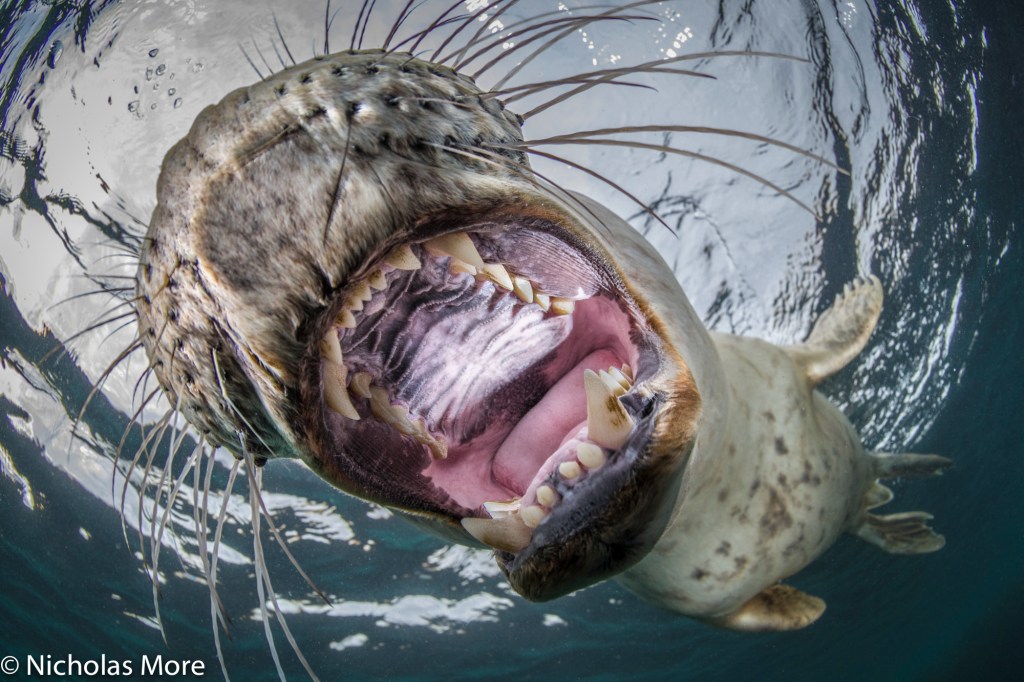
Grey Seal Halichoerus grypus
Our World Underwater.
Silver medal, Macro Unrestricted – 2017.
Lembeh / Gulen Shootout:
Grand Prize Winner – 2018
Think Pink Photo Contest:
Winner – 2017.
BSoUP / Diver Print Competition:
BSoUP:
Grand Prize Winner – 2016 / 2017.
Judges Vote:
Highly commended – 2014 / 2015 / 2017 / 2019.
Public Vote:
Overseas Winner – 2013.
Advanced Overseas Runner-Up – 2014 / 2016.
Advanced British & Irish Runner-Up – 2016 / 2017.
Questions and Answers
When did you start underwater photography and why?
I have been diving since the 1990s. I started UW photography in 2012 as digital compact cameras became common place. I caught the bug very quickly and never looked back.
How much diving experience did you have when you started?
LOTS! I had approx. 1500 dives when i started UW photography. Im a PADI DM.
Were you a land photographer before starting?
NO! The only land photography I do is with an iPhone. I did go on safari in 2018 to Botswana, I borrowed a telephoto lens and got some pretty nice shots of the wildlife. The only subject I shoot on land is my son, Ben!
What was your first underwater camera and housing?
My 1st UW camera system was a Canon S95 in Canon polycarbonate housing. No strobes, just 1 touch custom WB, i did have an Inon Wide Angle wet lens that made a big difference.
Nick first camera was a Canon S95 in a classic polycarbonate housing
I then moved to micro 4/3rds with an Olympus OM-D before moving to a Nikon7100/7200.
What is your current camera rig and why did you choose it?
I shoot with a Nikon D500 in a Nauticam housing. I use Inon Z240 & Z330 strobes depending whether I’m shooting Wide or Macro. It has been very successful for me & I know the housing like the back of my hand.
The Nikon D500 is a popular choice among underwater photographer and is the camera Nick shoots in a Nauticam housing
The D500 has super fast AF and great IQ. Im considering full frame but I wouldn’t trade my D500 rig. It would be used alongside.
What is your favourite discipline (wide angle, macro, portraits, blackwater, etc)?
I enjoy shooting Wide angle & macro. My preference is shooting animal portraits big & small. I like to shoot using motion blur.
Im not a fan of wrecks or divers in my shots. Im more interested in the animals.
What has been to date your best trip from a photography viewpoint?
Raja Ampat without doubt. My last trip has produced numerous competition winners including some i can’t talk about yet! Raja has it all. The biodiversity is off the scale.
striated frogfish or hairy frogfish Antennarius striatus Retra LSD Snoot
How many trips have you done in the last 3 years and where?
Ive had around 10 trips in the past 3 years. Trips include Lembeh / Raja Ampat & Bali. The Egyptian Red Sea and the Bahamas & Cuba for sharks and other big animals. I decide on which trips I go on depending on location, subjects and I have a preference for attending workshops with Alex Mustard & Wetpixel.
Has there been a defining moment where you think your photography improved significantly?
Most definitely. Paul Duxfield taught me the basics and encouraged experimentation. Alex Mustard and his workshop participants then inspired me to improve….quickly. Im competitive my nature so challenged myself to be the best I can be. I won the overseas category of the Diver / BSoUP Print Competition in 2013 at my 1st attempt. This meant I had to enter advanced / pro categories from then on – I had to improve! Long way to go…..
What is your personal favourite shot among all you have taken?
My favourite shot, is a unique image of a porcelain crab, backlit through its host anemone. It was awarded Highly Commended in the Black & White category in UPY 2019. Its difficult to be original in UW photography and I feel this image is, as its not been done before or since!
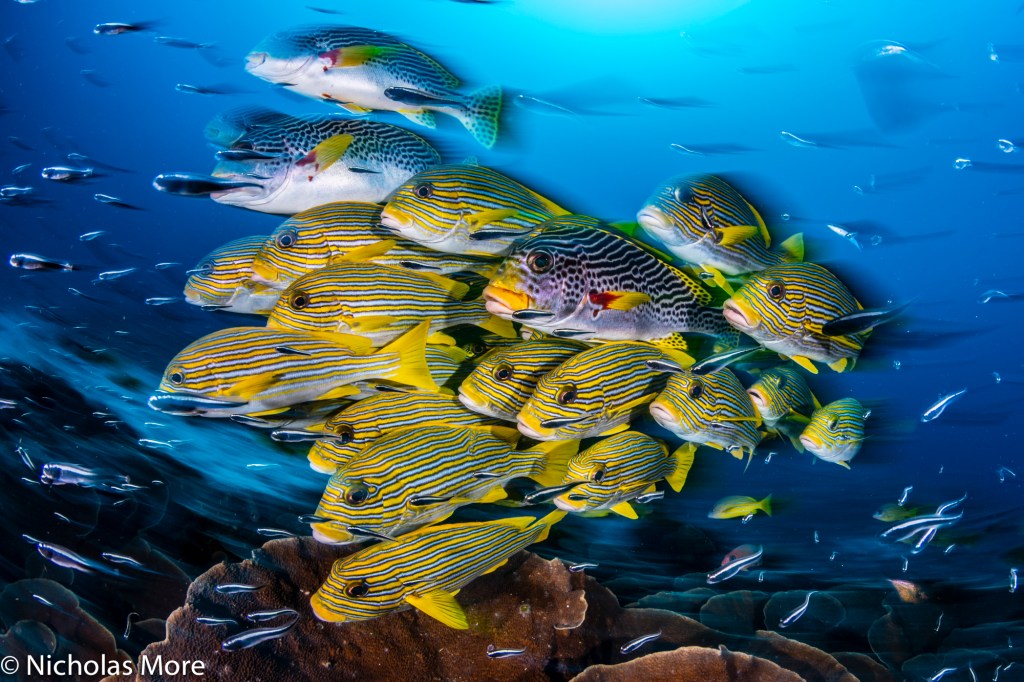
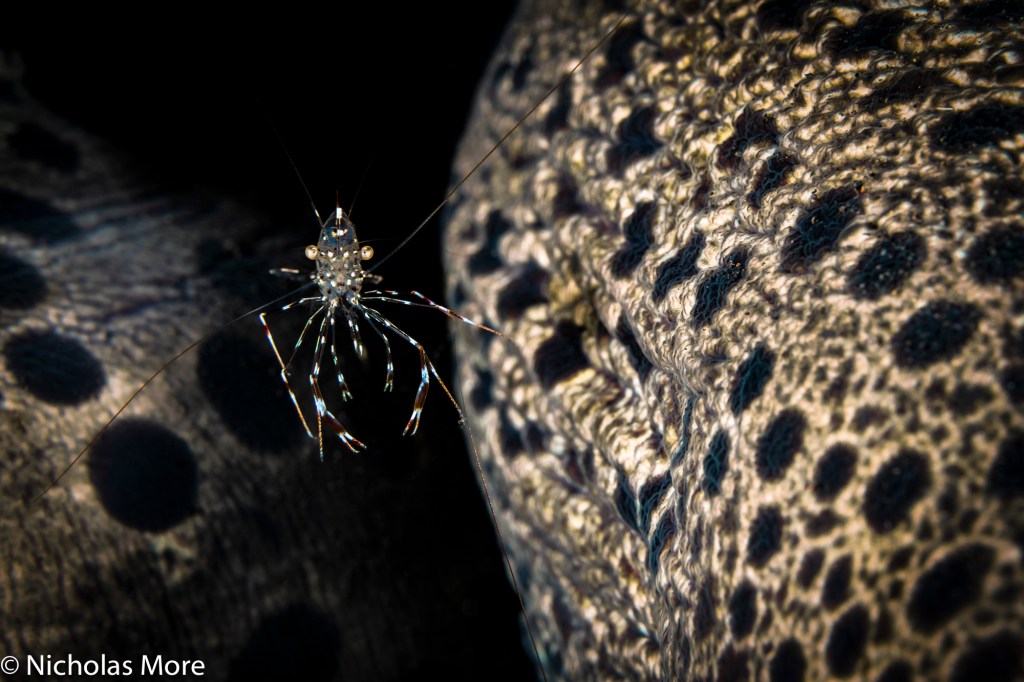
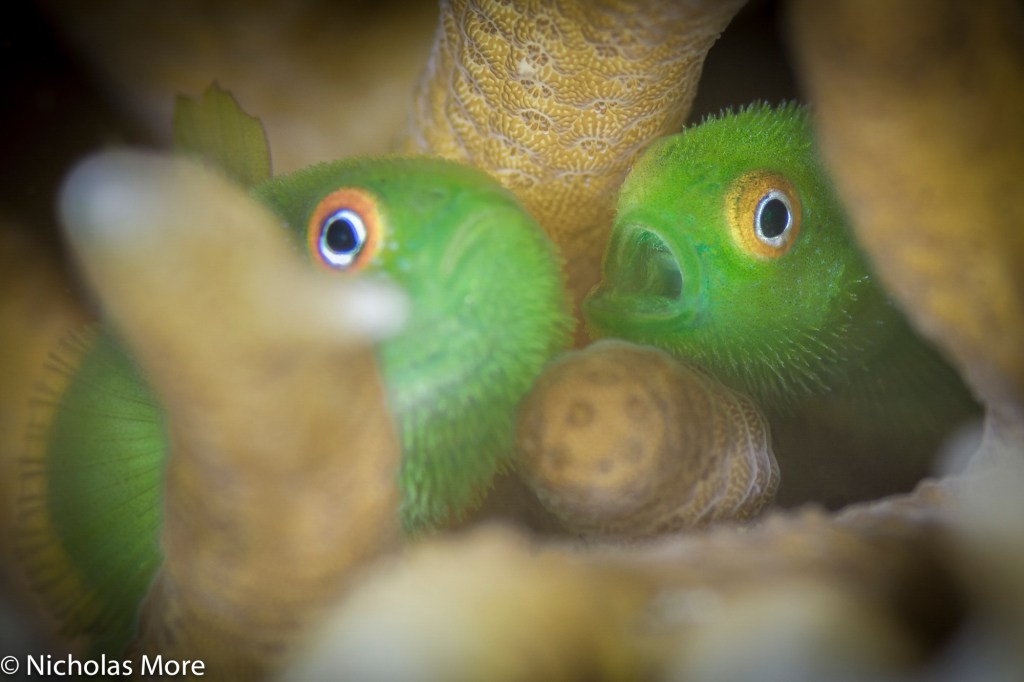
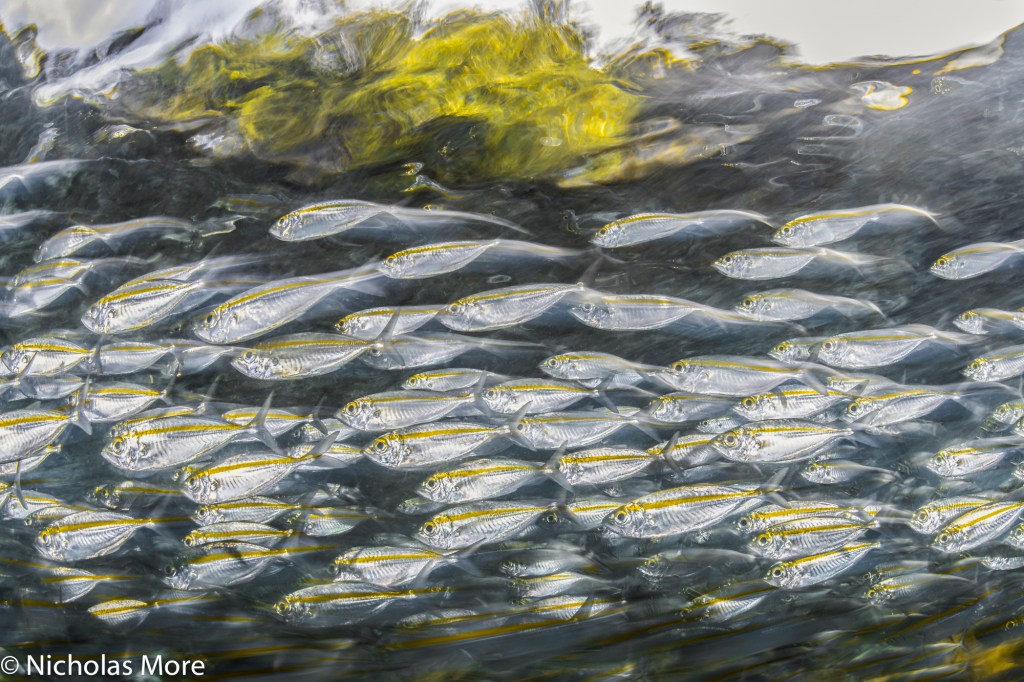
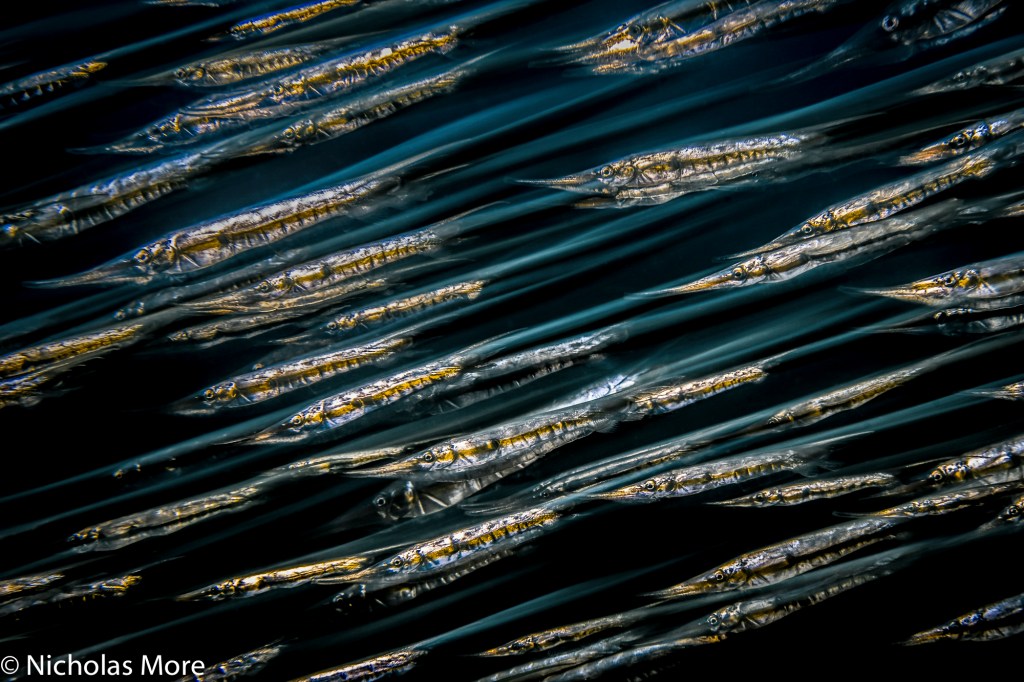
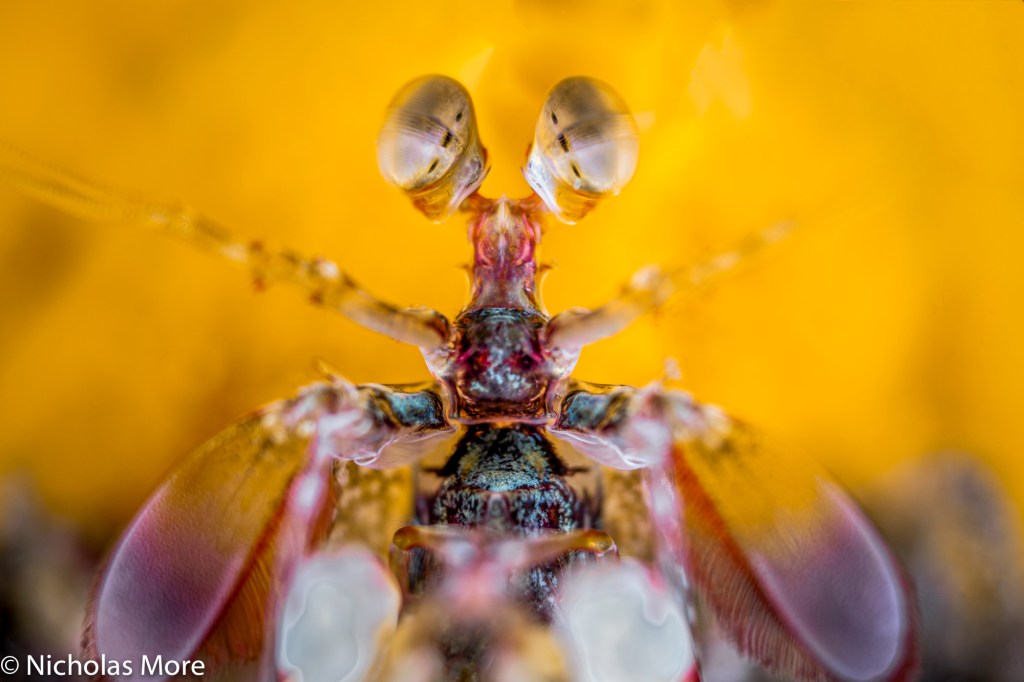
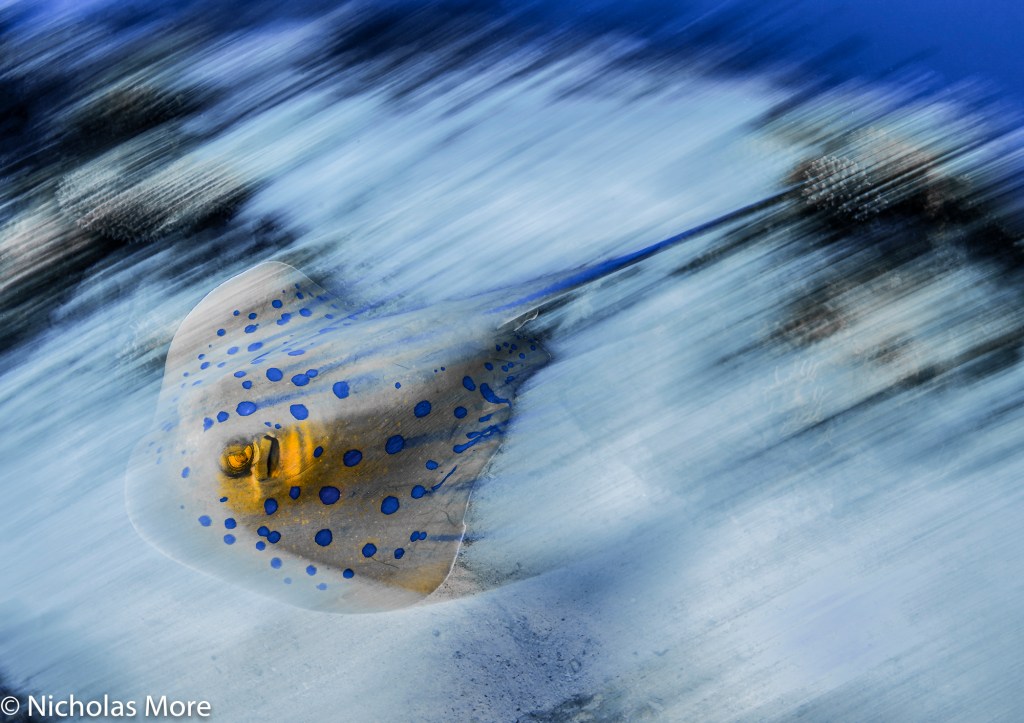
Nick personal favourite is the unique shot of a porcelain crab Highly Commended UPY – Black & White – 2019.Periclimenes colemani Snooted Colemans Shrimp Portrait Retra LSD SnootMotion blur also works with schooling fishFast moving Stingray of the Red Sea








 × 175mm (H) × 116mm (D)












































 Interceptor121 Photography & Video Workshops